历史结构的巧妙重生与功能置换:本项目最精髓之处在于其对一个具有特殊历史印记(原监狱看守塔)的微小空间(一层仅7平方米)的激活与重塑。设计师没有抹去其历史痕迹,而是通过精密的结构加固与创新的“钢结构吊挂”方式,在不增加过多荷载的前提下,实现了空间的向外延伸和功能上的彻底置换——从监控与禁锢转变为阅读与交流的“温暖场所”。这种对原有建筑语汇的尊重与颠覆,体现了对文创园区活化利用的深刻理解。
极端尺度下的空间策略与用户体验:面对极度受限的基地,设计展现了高超的空间组织能力。通过旋转屋顶、切角处理以及利用窗洞增设悬挑阳台,成功拓展了使用面积,并模糊了室内外的界限。二层利用吊挂结构形成的双人通道和阅读区,结合四面书架与可开启的移窗,最大化了采光和视野。此外,将原楼梯井转化为留言墙,使历史遗存成为叙事的一部分,体现了以人为本、注重情感连接的用户体验设计。
结构技术与空间形态的共生:“吊挂”结构是本案的技术亮点与美学核心。通过在既有屋顶梁上施加C型槽钢,并利用吊杆将新增楼板悬挂起来,这种轻量化、可逆性的结构介入方式,既解决了结构安全问题,又创造出富有张力的空间形态。这种“撑”与“吊”结合的家具设计(吧台桌面),以及利用外部高压线影响而产生的四叶草屋顶造型,展示了建筑师如何将技术限制转化为独特的设计语汇,实现了结构逻辑与空间美学的完美统一。
The Origin of the Small Bookstore
A very small bookstore originated by the Qinhuai River in Nanjing. The owner's concept was to maximize the space left for the guests, providing a warm place for different people at different times. The store clerks are four adopted stray cats, and the walls are covered with message postcards. The books in the store initially consisted of the owner's old books, and as the number of customers grew, new and old books were continuously received as donations.
一间很小的书店起源于南京的秦淮河边,店主的理念是把书店最大限度留给客人,给不同人在不同的时间段提供一个温暖的地方。书店的店员是4只收养的流浪猫,墙面挂满了留言明信片。店里的书最开始由店主的旧书组成,随着客人越来越多,陆续收到了捐赠的新书、旧书。
© 大川又Mata Okawa
© 大川又Mata Okawa
Accidental Discovery
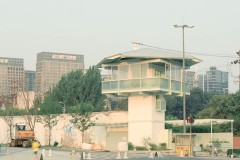
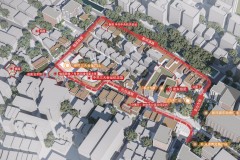
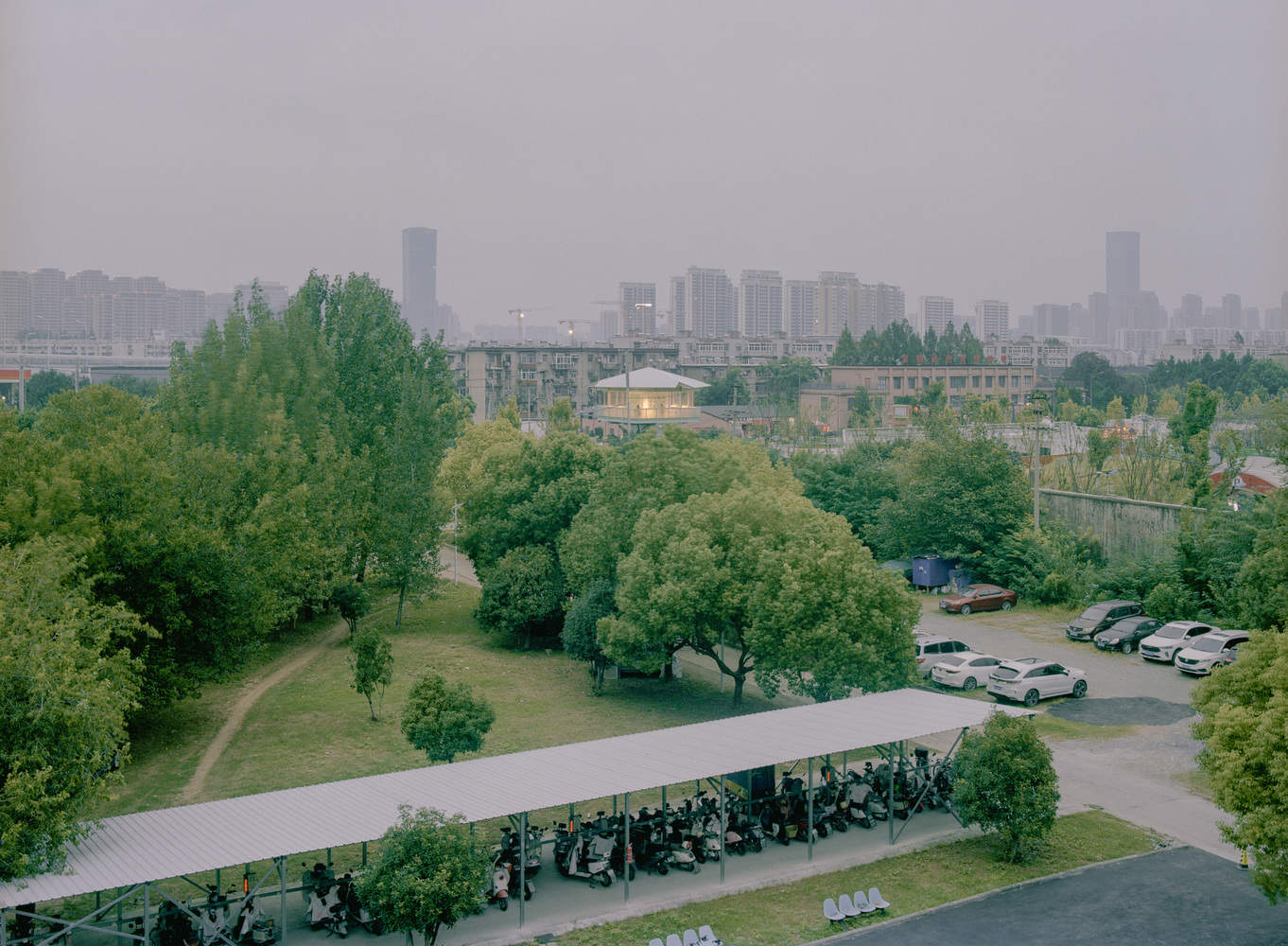
The project is located in the Hechai 1972 Creative Park. The park was formerly the Anhui Provincial Prison, which has now become a popular cultural and creative hub after renovation. The first time I visited the site was accompanying the client to look at another restaurant project. I casually glimpsed an abandoned building by the roadside and curiously asked the property management about its condition and use. I learned it was the former prison watchtower, which had been left unused due to various reasons instead of being renovated with the rest of the park. I immediately inquired if it could be transformed into a 24-hour small bookstore to serve the park and nearby residents. And thus, the project was launched.
项目在合柴 1972 创意园区。园区前身是安徽省合肥监狱,重新改造后如已成为了当地热门的文创园区。第一次来看场地时是陪同甲方看另外一个餐厅项目。现场无意瞥间路边的一栋废弃建筑,便好奇问了物业该建筑的状况和用途,得知是原监狱的看守塔,由于各种原因没有与园区一起改造荒废在了一边。随即便询问是否可以改造成为园区及附近居民服务的一家 24h 小书店。项目就这样启动了。
© 大川又Mata Okawa
© 大川又Mata Okawa
© 大川又Mata Okawa
Site Survey
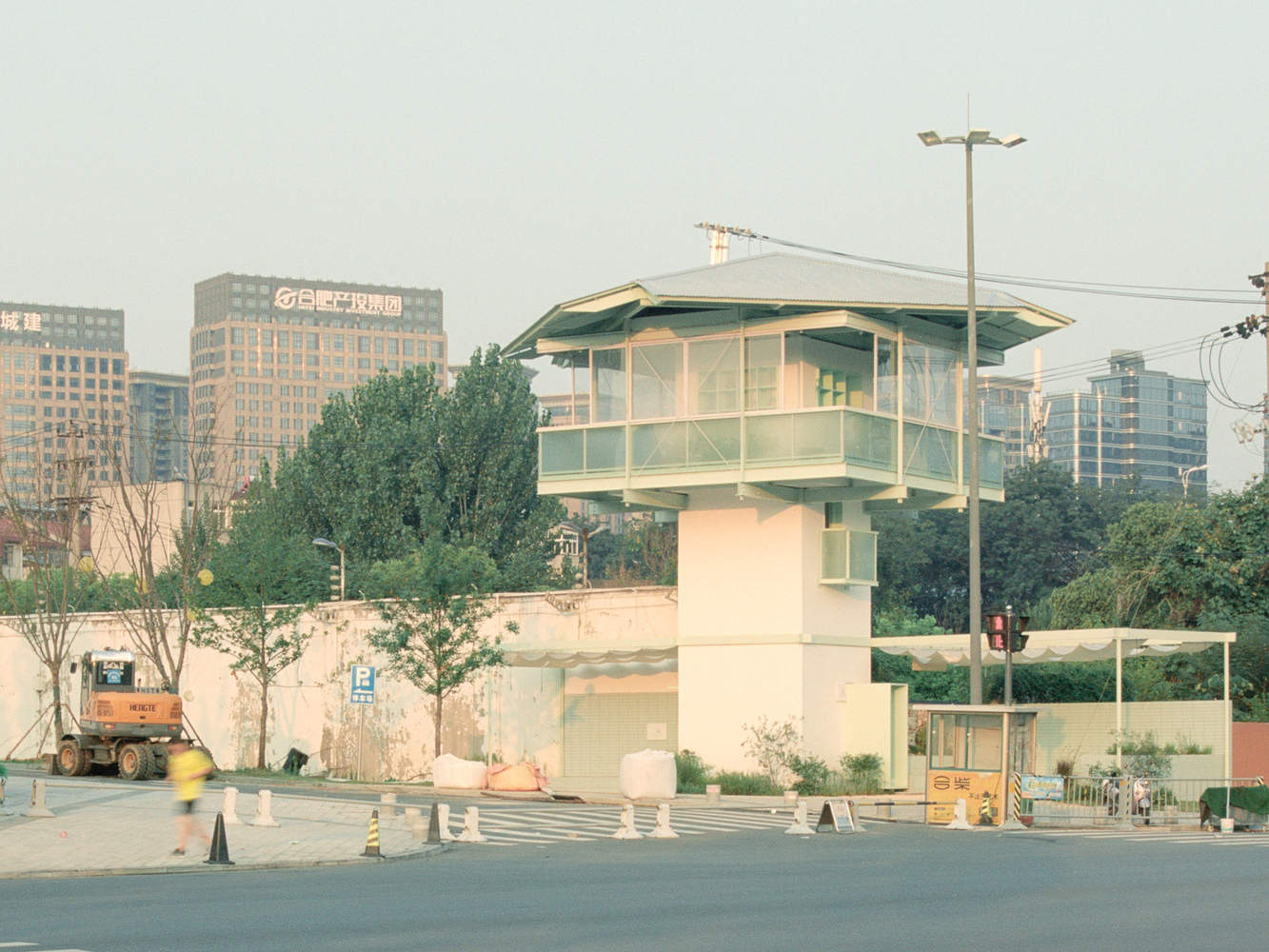
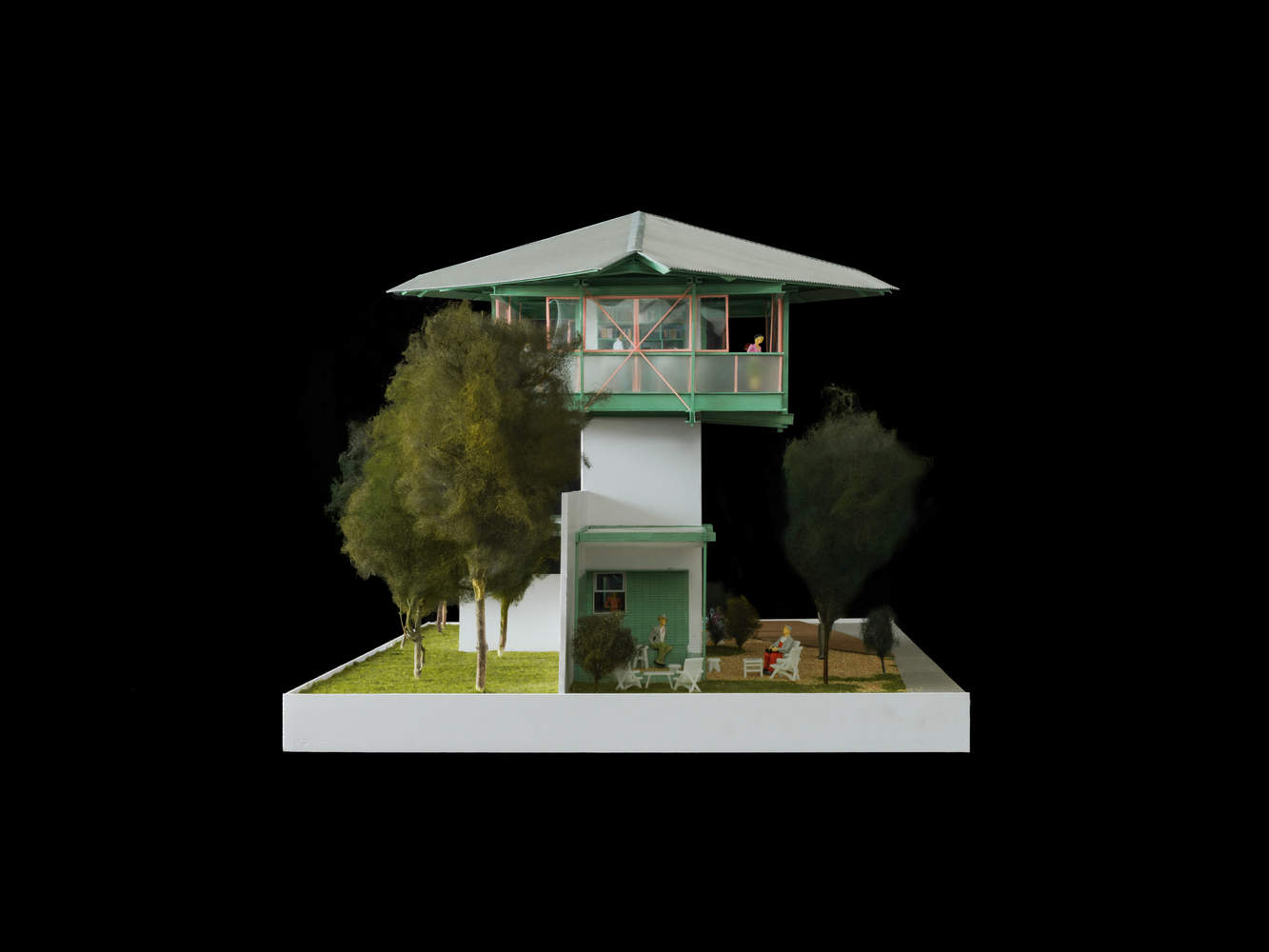
The first floor of the watchtower has an area of only 7 square meters, and the second-floor patrol platform offers a panoramic view of the park. Furthermore, the window railings still retain the machine gun mounts and observation slits, indicating the building's original function was very clear and singular.
看守塔一层面积仅7平方米,二层巡逻平台可全方位俯瞰园区。同时窗户的栏杆上还保留了机枪架及监视孔,建筑本身功能非常清晰单一。
© 大川又Mata Okawa
© 大川又Mata Okawa
Testing and Reinforcement
The building was constructed in 1997, and the original drawings were unavailable, necessitating a complete geological survey and structural testing followed by reinforcement of the main structure. Steel angle hoops were used to reinforce the four corner columns, the second-floor slab was strengthened, and the cross-section of the concrete beams on the roof was enlarged to make the overall frame more stable. The original exterior walls were partially reinforced using a high-ductility concrete jointing technique to increase strength.
建筑建于 1997 年,原始图纸已无法找到,必须重新地勘及结构检测后加固建筑主体。将原建筑 4 个角柱包加强角钢箍,加固二层楼板,加大屋顶混凝土梁截面,使得整体框架更为稳固。原始外墙部分使用高延性混凝土嵌缝工艺增加强度。
© 大川又Mata Okawa
Section Drawing
© 大川又Mata Okawa
The "Hanging" Structural System
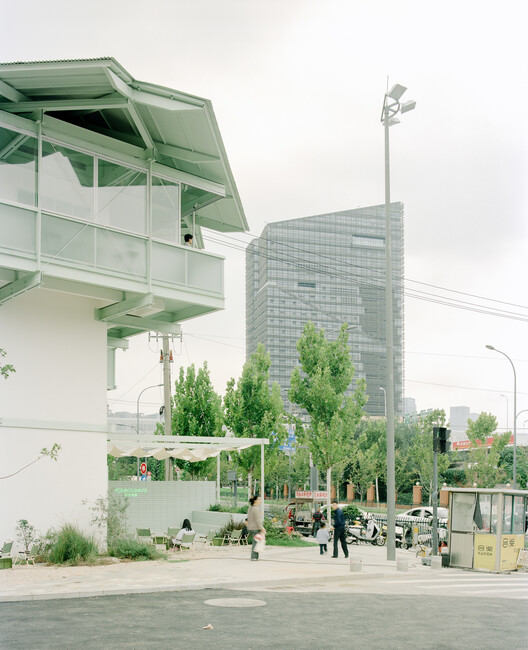
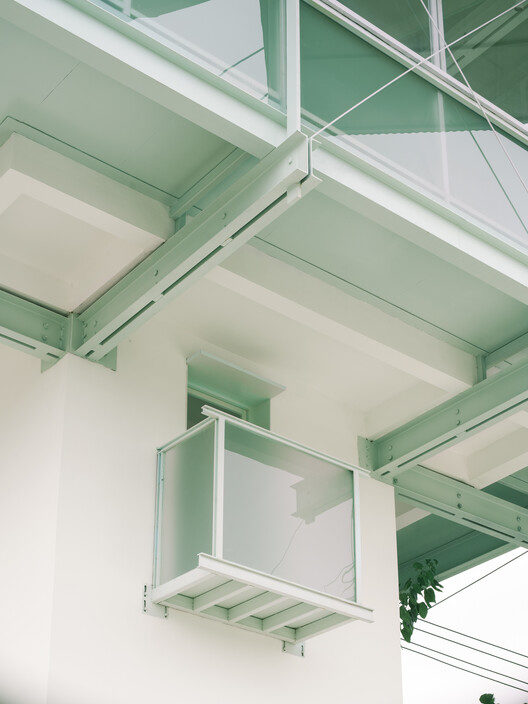
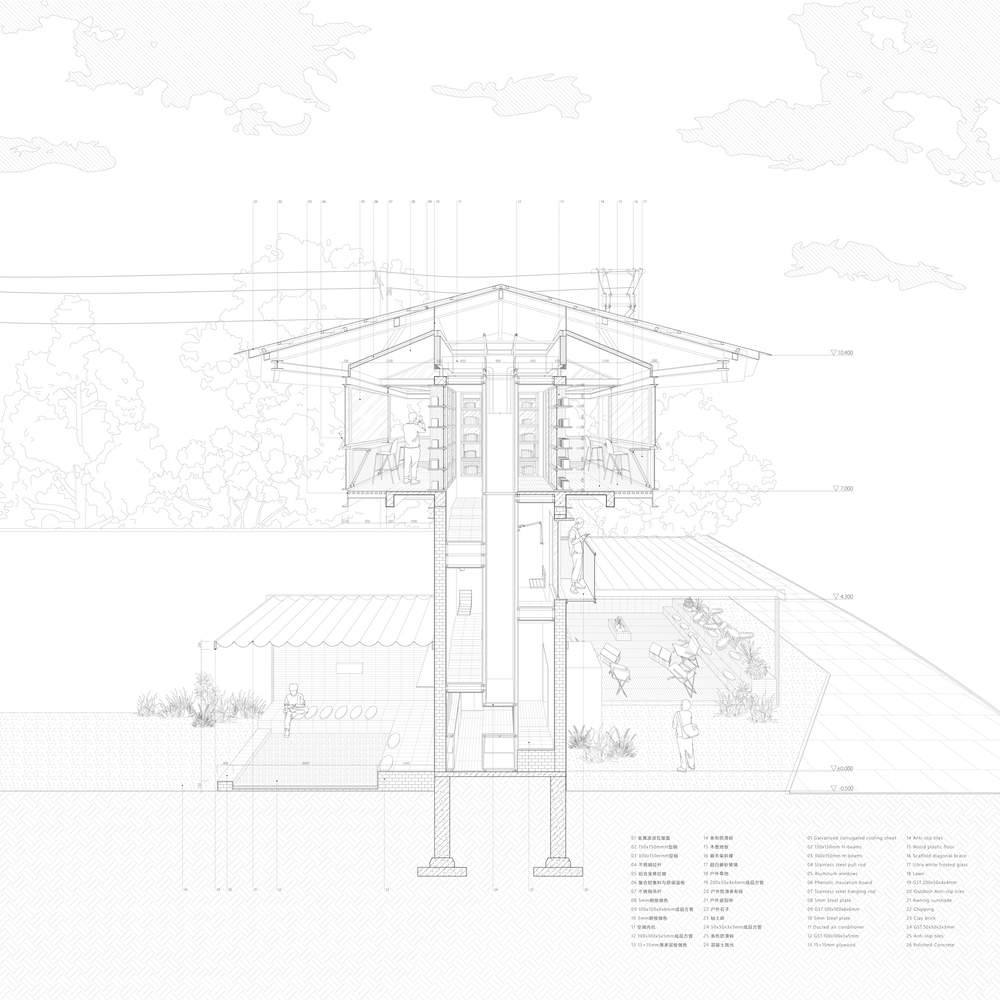
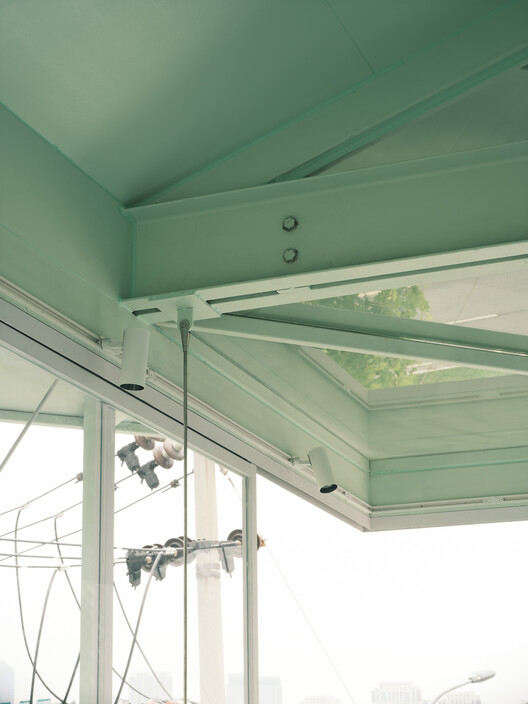
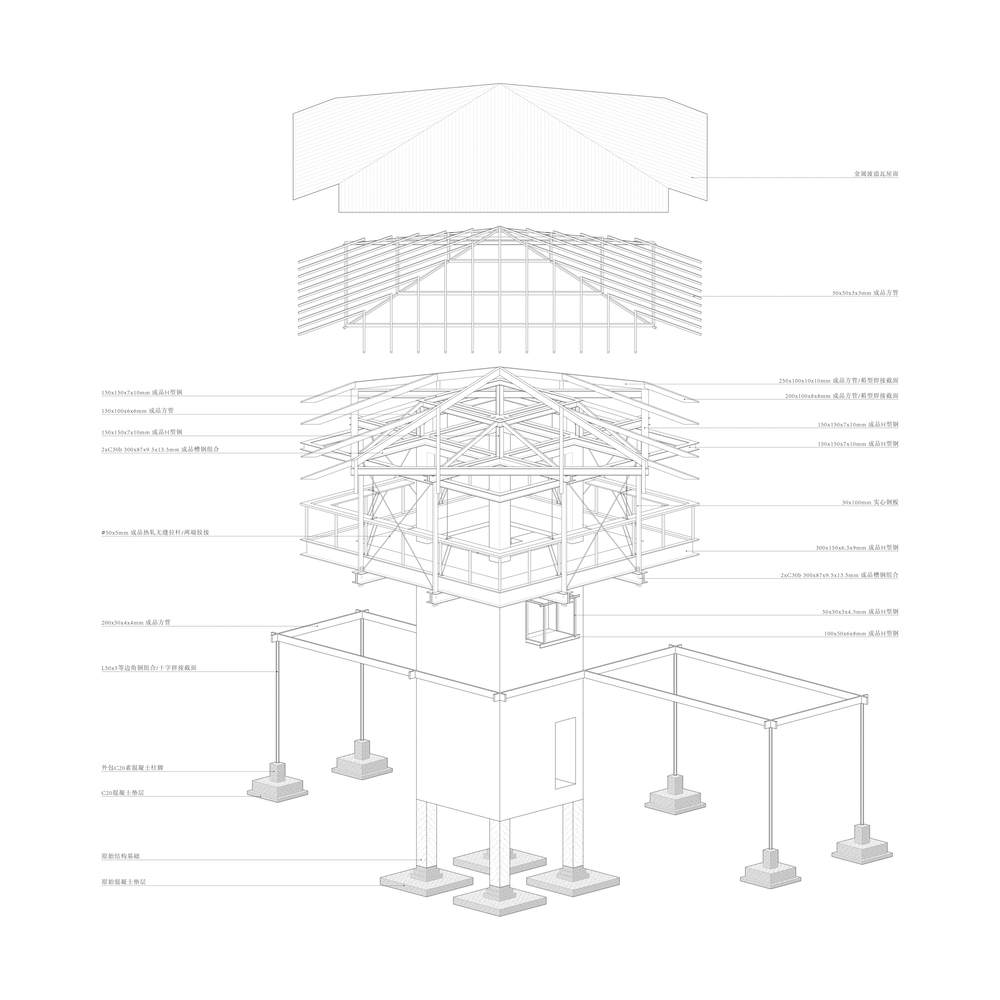
After communicating with the structural design firm, a steel structure hanging system was adopted for the renovation to minimize the additional floor load while meeting the new functional requirements. Eight C-shaped channel steel beams were laid horizontally across the reinforced original roof concrete beams, extending the projection of the second-floor platform outwards to accommodate a two-way passage for two people and a seating/reading area. Two C-shaped channel steels were combined back-to-back into an H-shape to clamp the rectangular solid steel hangers extending vertically downwards. Simultaneously, C-shaped channel steels of the same quantity, size, and model extended from the four concrete corner columns beneath the original second-floor concrete beams to clamp the solid steel hangers. This suspended the eight channel steels and the new floor slab from the steel beams on the roof, forming an integrated and stable steel frame. A cantilevered balcony was added utilizing the original window openings in the exterior wall, connecting the interior and exterior.
在与结构设计事务所沟通后,为了最大限度减少新增楼荷载板同时又满足新功能,采用钢结构吊挂形式对其进行改造。在加固后的原屋面混凝土梁上横向架设 8 根 C 型槽钢,使得对应的二层平台投影面尺寸向外延伸,满足了双人双向通道及座位阅读区。两根 C 型槽钢背靠背组合成 H 型后夹住纵向向下延伸的矩形实心钢吊杆,同时在原二层楼板混凝土梁的下方,从 4 个混凝土角柱伸出相同数量、尺寸、型号的 C 型槽钢夹住实心钢吊杆,使得 8 根槽钢及新增楼板吊挂在屋顶的钢梁上,形成了一个整体稳固的钢结构框架。利用建筑原始外墙窗洞增设了一个外挂悬挑阳台,串联室内外。
© 大川又Mata Okawa
© 大川又Mata Okawa
Design Strategy
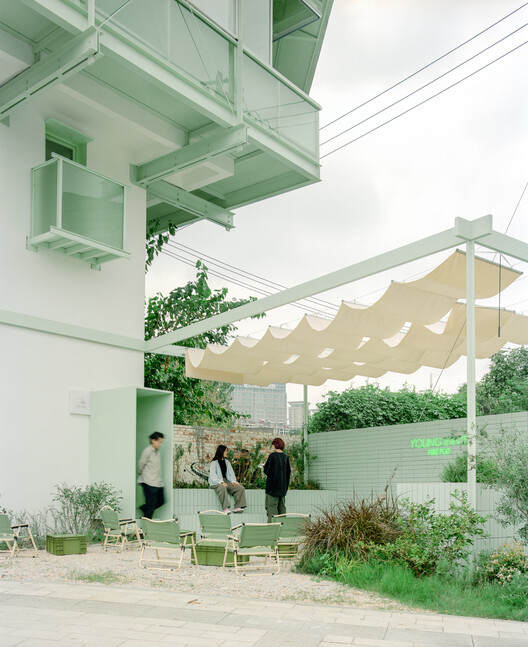
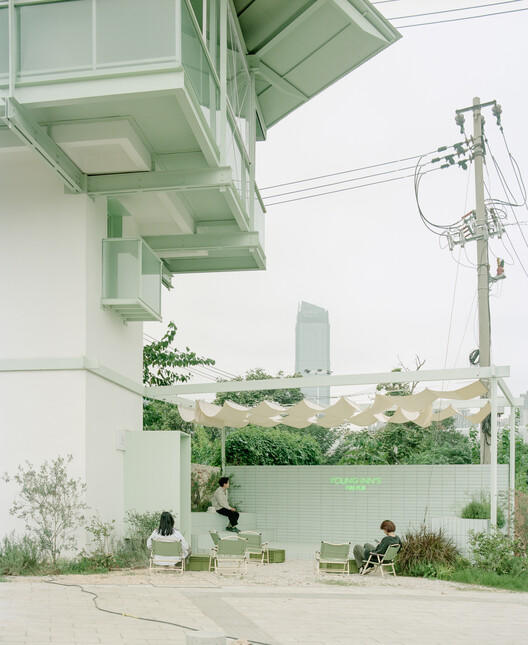
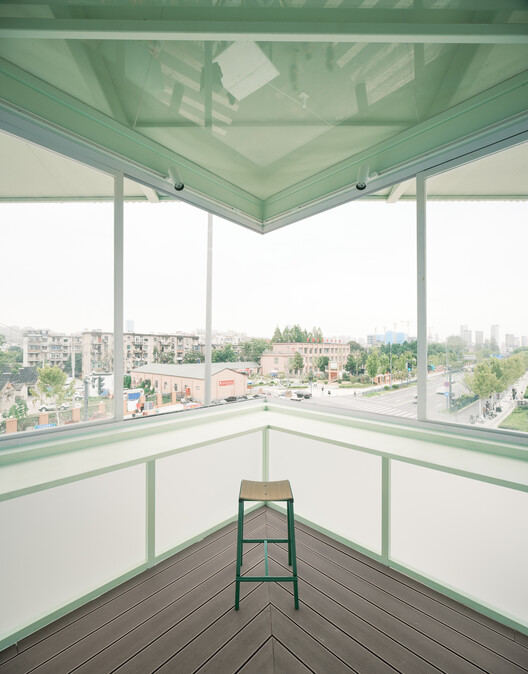
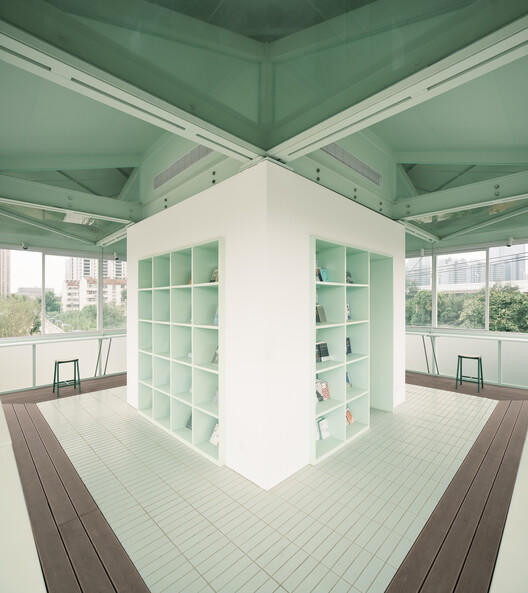
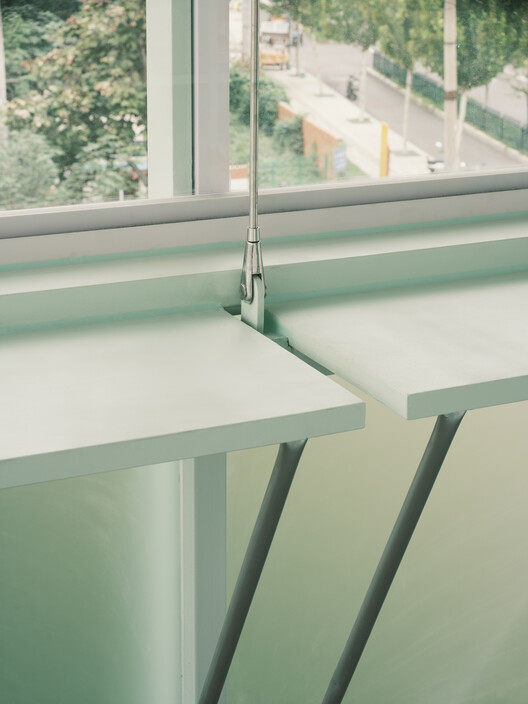
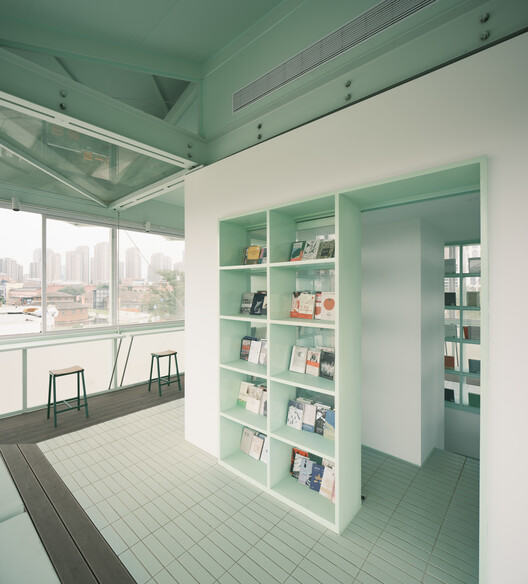
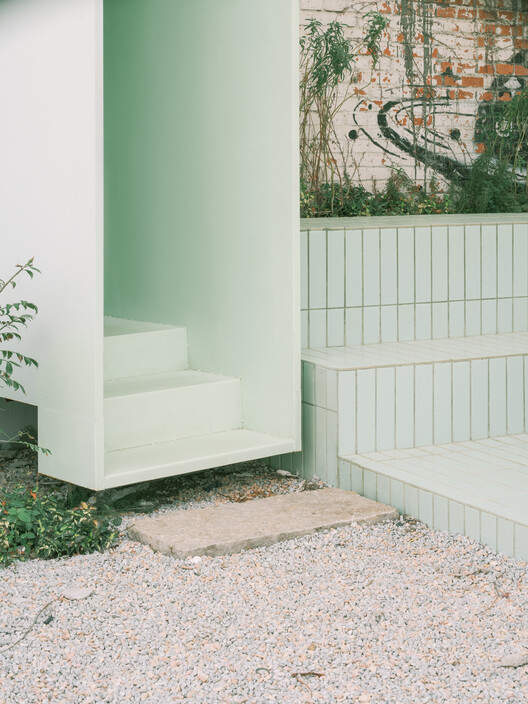
Due to two high-voltage power cables being too close to the main body of the building on the west side, the roof was rotated and the four corners were cut off to form a four-leaf clover shape. Wood-plastic flooring was laid on the steel structure for the new floor slab to reduce the load. The short wall below the original windows on the second floor was removed and designed as four-sided bookshelves. The reading area desks utilized the main steel structure, combining the "support" of scaffolding with the "suspension" of stainless steel hangers to form the bar counter surface. Openable sliding windows were installed at the four corners of the building, creating unobstructed views when opened. The original staircase was reinforced and enclosed with gypsum board to create an interior service core, with the exterior serving as the bookstore's message wall. Outdoor platforms were added to the north and south sides of the building, respectively serving coffee sales and regular events for the bookstore and the park.
由于建筑西侧有 2 根高压电缆线离建筑主体过近,因此通过旋转屋面后再将 4 个角切除,形成四叶草的形状。新增楼板在钢结构上铺设木塑地板以减少荷载。将二层原始窗台下矮墙拆除后设计成了四面书架。阅读区书桌利用主体钢结构,将脚手架的“撑”与不锈钢吊杆的“吊”结合,形成吧台桌面。建筑四个角的位置设置了可开启的移窗,打开后形成无遮挡视野。原始楼梯加固后用石膏板围合成室内管井,外侧作为书店留言墙。建筑南北两侧各增加 1 个户外平台区,分别满足咖啡售卖及书店、园区定期举办活动。
© 大川又Mata Okawa
Analysis Diagram
© 大川又Mata Okawa
Vision
Through the reconstruction of structure, materials, and function, the former prison watchtower has been transformed into a new place: a very small bookstore, open to everyone in the surrounding neighborhood. Although the walls are currently blank, it is hoped that in time, the small cards will once again hang full, because the sincere words on the cards represent the hopes in everyone's heart.
通过对结构、材料及功能的重新构建,将原来的监狱看守塔转变为新的场所:一间很小的书店,为周边街区的每一个人敞开。虽然现在的墙是空白的,假以时日希望小卡片依旧能挂满,因为卡片上诚挚的话语是每一个人心中的希望。