跨学科协同与城市门户的激活:VLEST项目成功地将一个原有的城市边缘停车场转变为面向行人的科研门户,体现了建筑作为城市文脉连接器的潜力。它不仅在空间上连接了核桃街与巴莱斯塔体育馆、舒梅克绿地,更在功能上汇聚了科学家、政策制定者和学生的跨学科团队,明确了其在应对气候变化中的核心地位。这种“门户”的定位,是功能需求与城市责任相结合的典范,通过引入庭院、生物滞留洼地和本土植物,软化了校园边界,提升了公众对能源前沿研究的认知度。
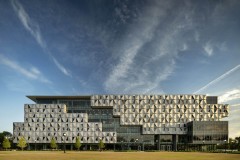
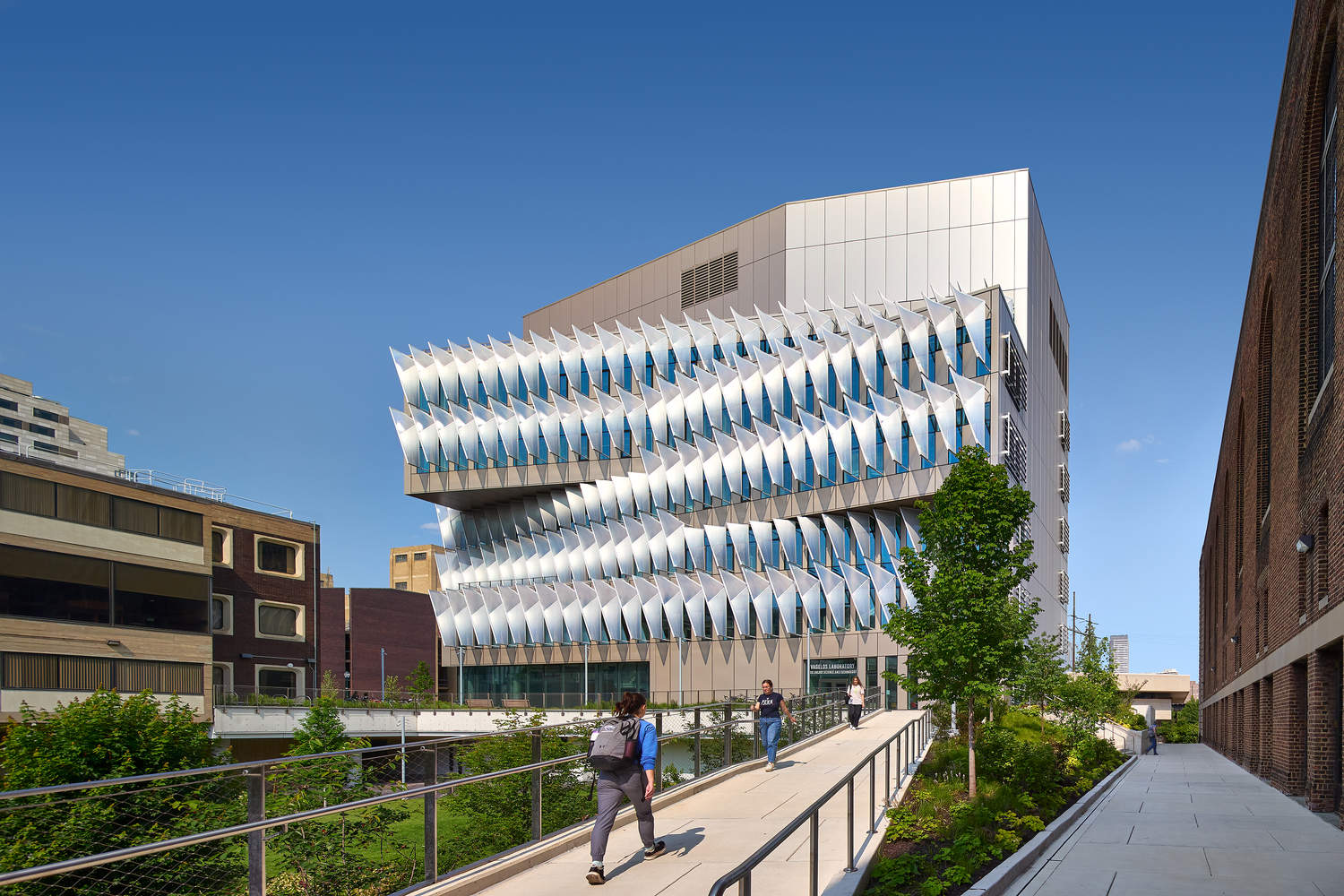
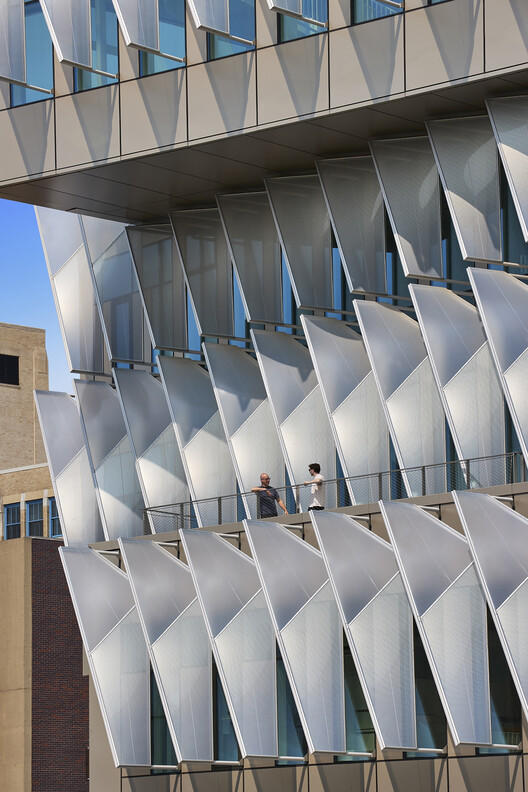
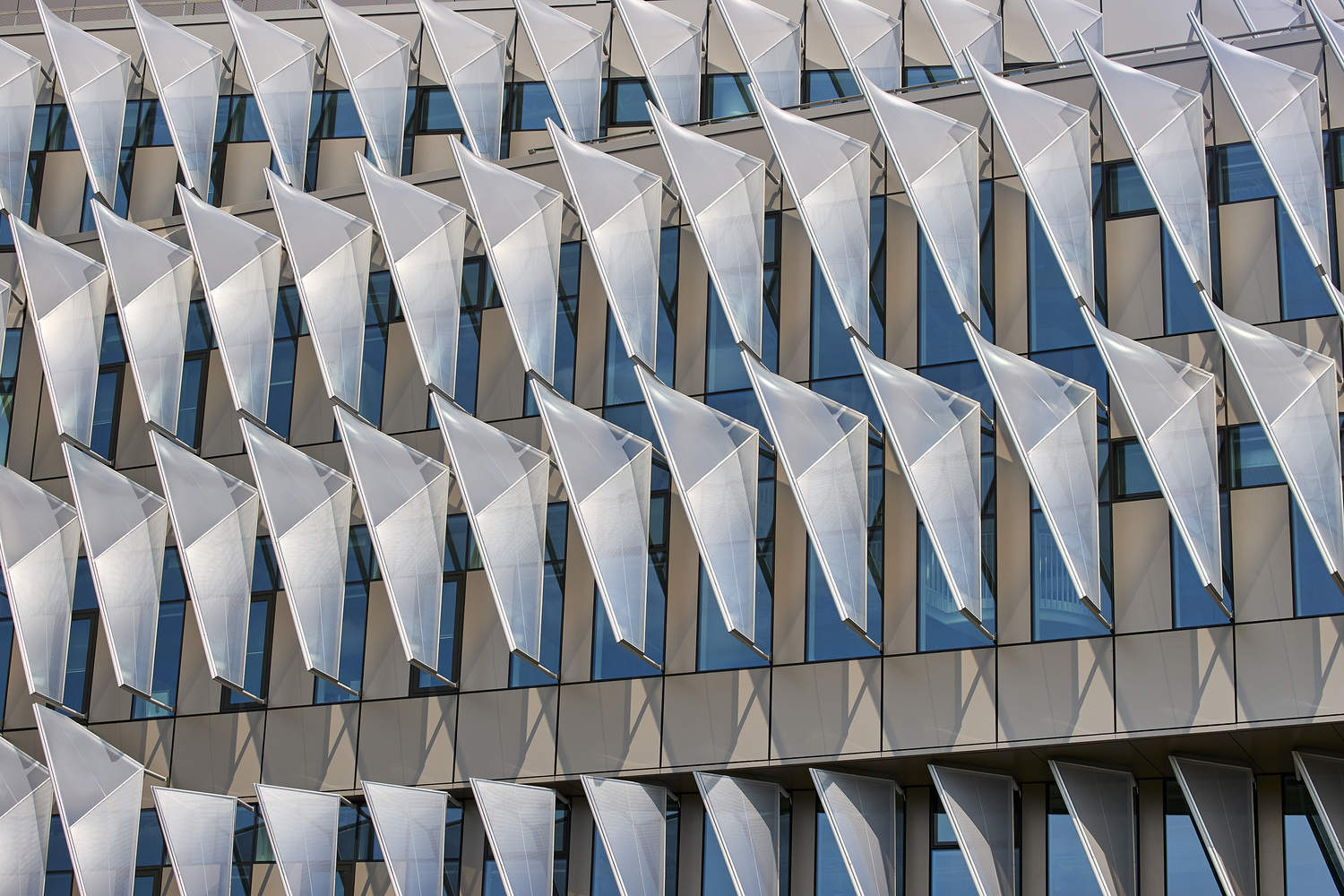
表皮策略与能耗优化的完美融合:建筑最具精髓的亮点在于其创新的外表皮设计——由双曲面ETFE薄膜构成的动态遮阳系统。这不仅赋予了建筑独特的视觉识别性,更直接服务于可持续性目标,通过散射日光深入室内,显著降低了制冷能耗。对于高能耗的科研设施而言,建筑形态与性能的统一至关重要。这种将“设计理念”融入“物理实现”的策略,确保了建筑的动态构成能够清晰反映内部的实验室、协作区和办公空间的组织逻辑,实现了形式追随功能的深度契合。
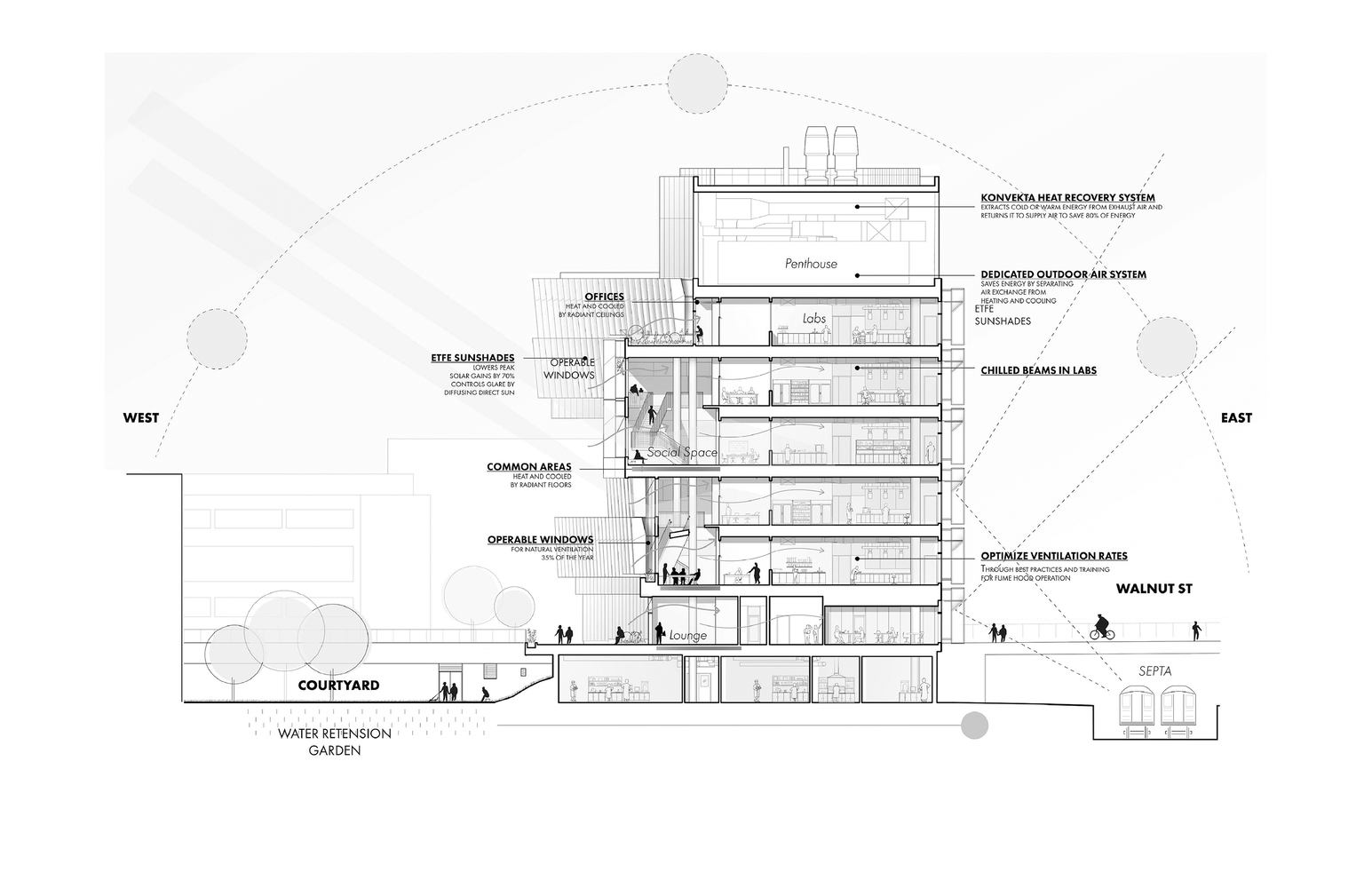
全方位的可持续设计与认证的体现:该项目对可持续性的承诺贯穿于设计和运营的每一个层面,并最终获得了LEED白金级认证。通过精细的空间划分(低能耗区与高能耗区),结合被动式设计(自然通风)和高效主动式系统(辐射供暖/制冷、Aircuity自动化系统),实现了能效的最大化优化。这种从宏观的城市连接到微观的空气调节的整体化可持续策略,使得VLEST不仅是能源研究的场所,更是该研究成果的活生生体现,强有力地支持了宾夕法尼亚大学的碳中和目标。
Vagelos Laboratory for Energy Science and Technology (VLEST) is a new research facility at the University of Pennsylvania that brings together an interdisciplinary team of scientists, policymakers, and students dedicated to advancing sustainable energy research.
瓦格洛斯能源科学与技术实验室(Vagelos Laboratory for Energy Science and Technology,简称 VLEST)是宾夕法尼亚大学新建的一座科研设施,该设施汇聚了一支由科学家、政策制定者和学生组成的跨学科团队,致力于推动可持续能源研究的发展。
© Brad Feinknopf
© Brad Feinknopf
© Brad Feinknopf
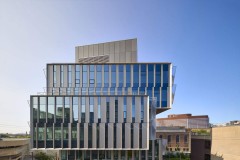
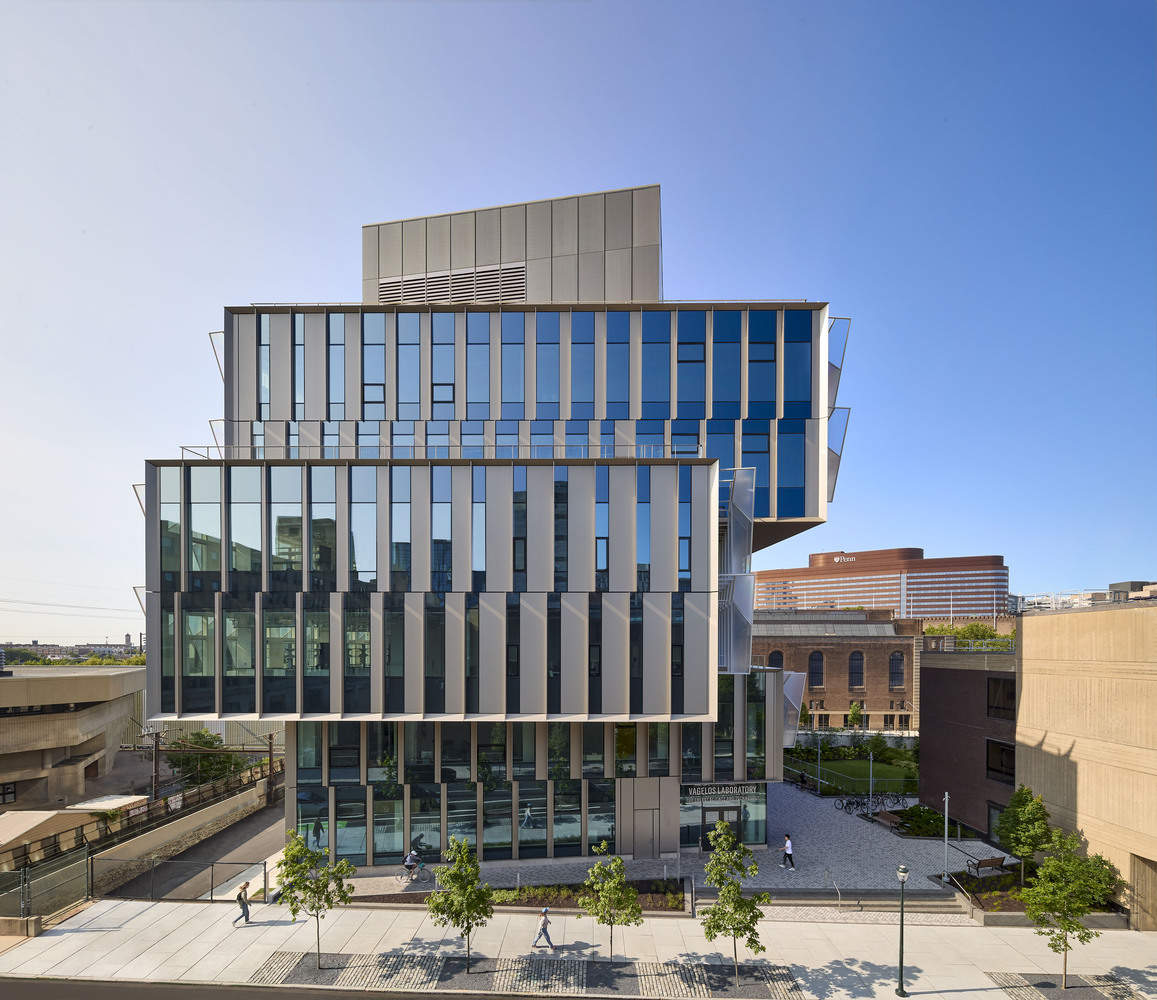
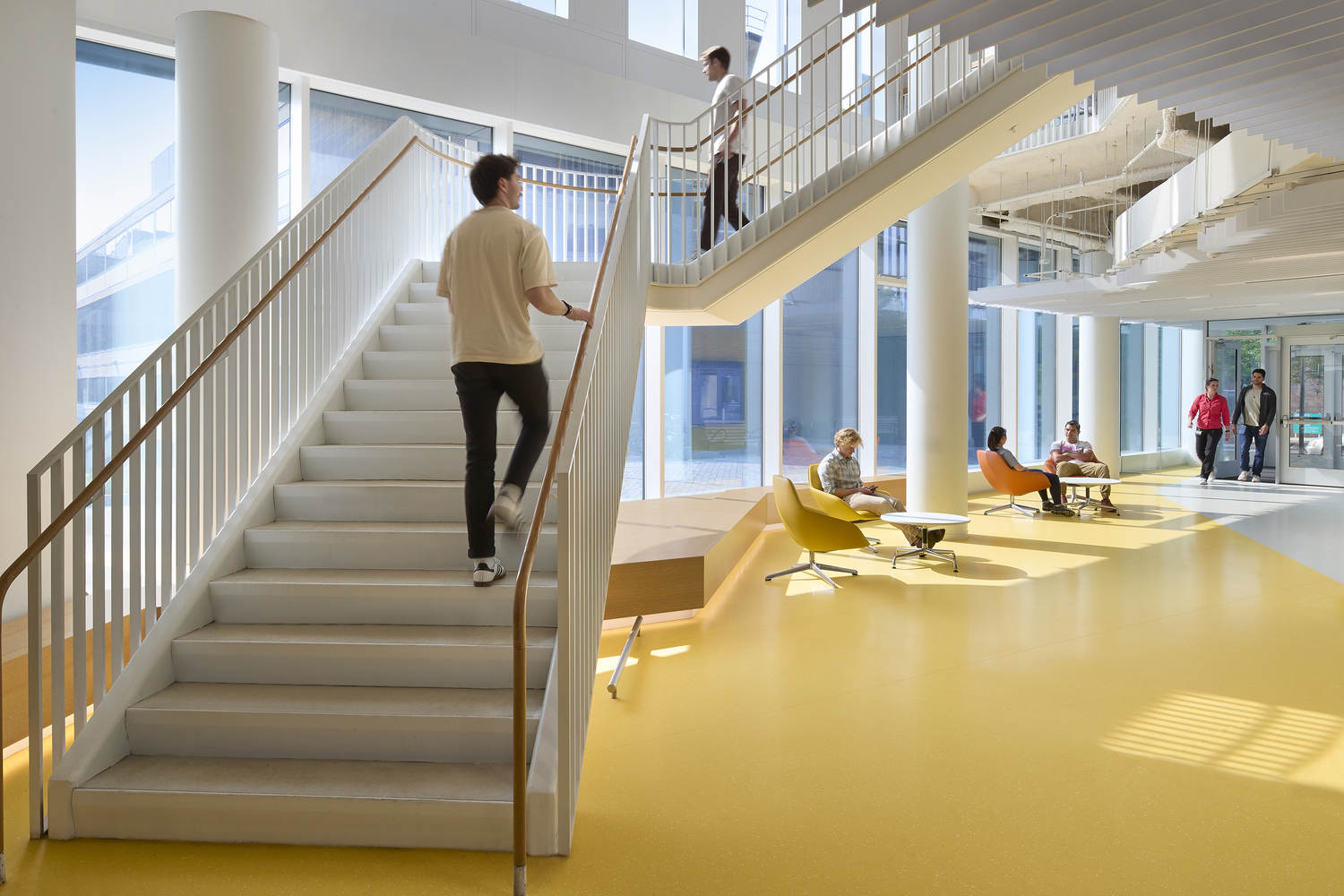
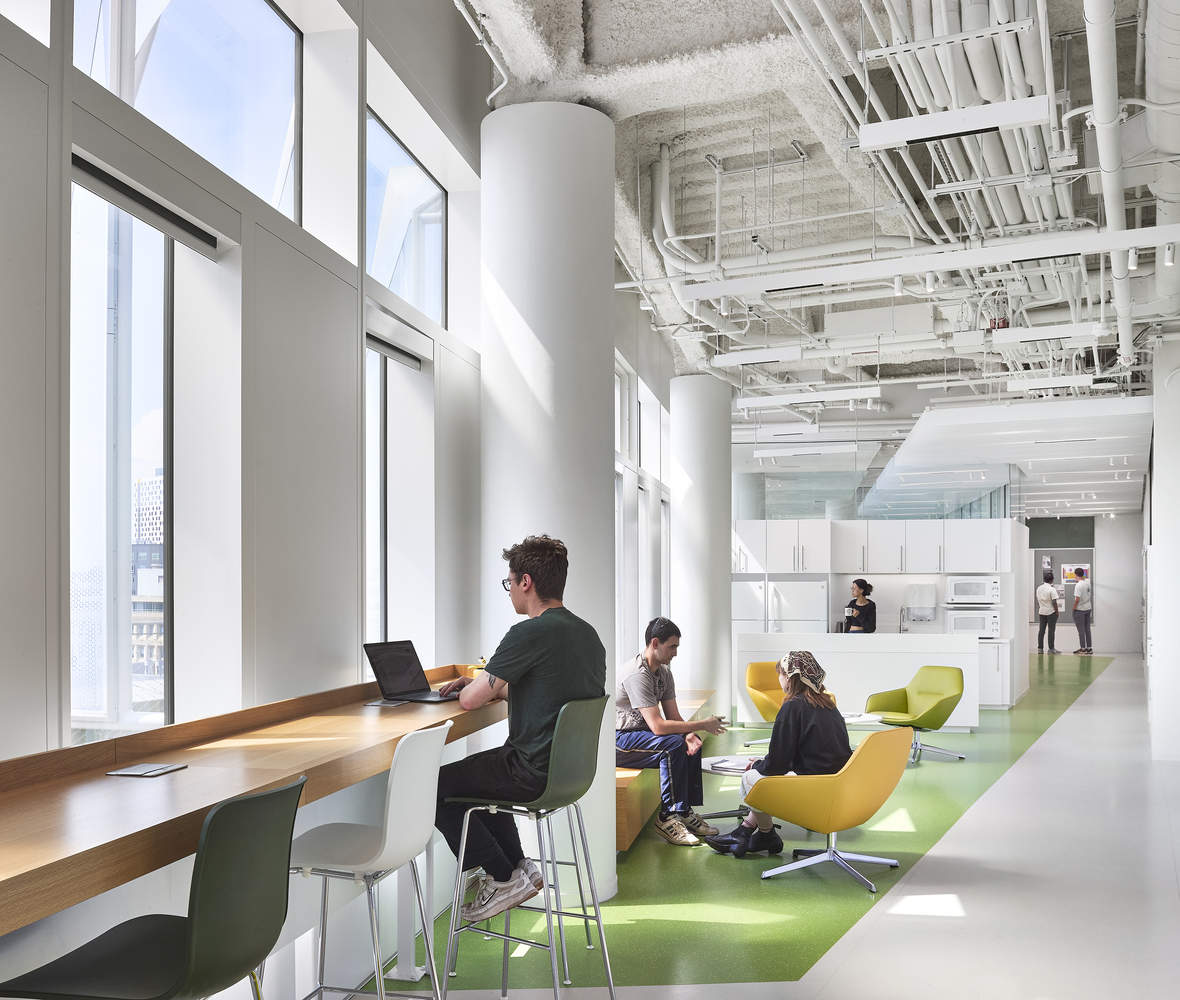
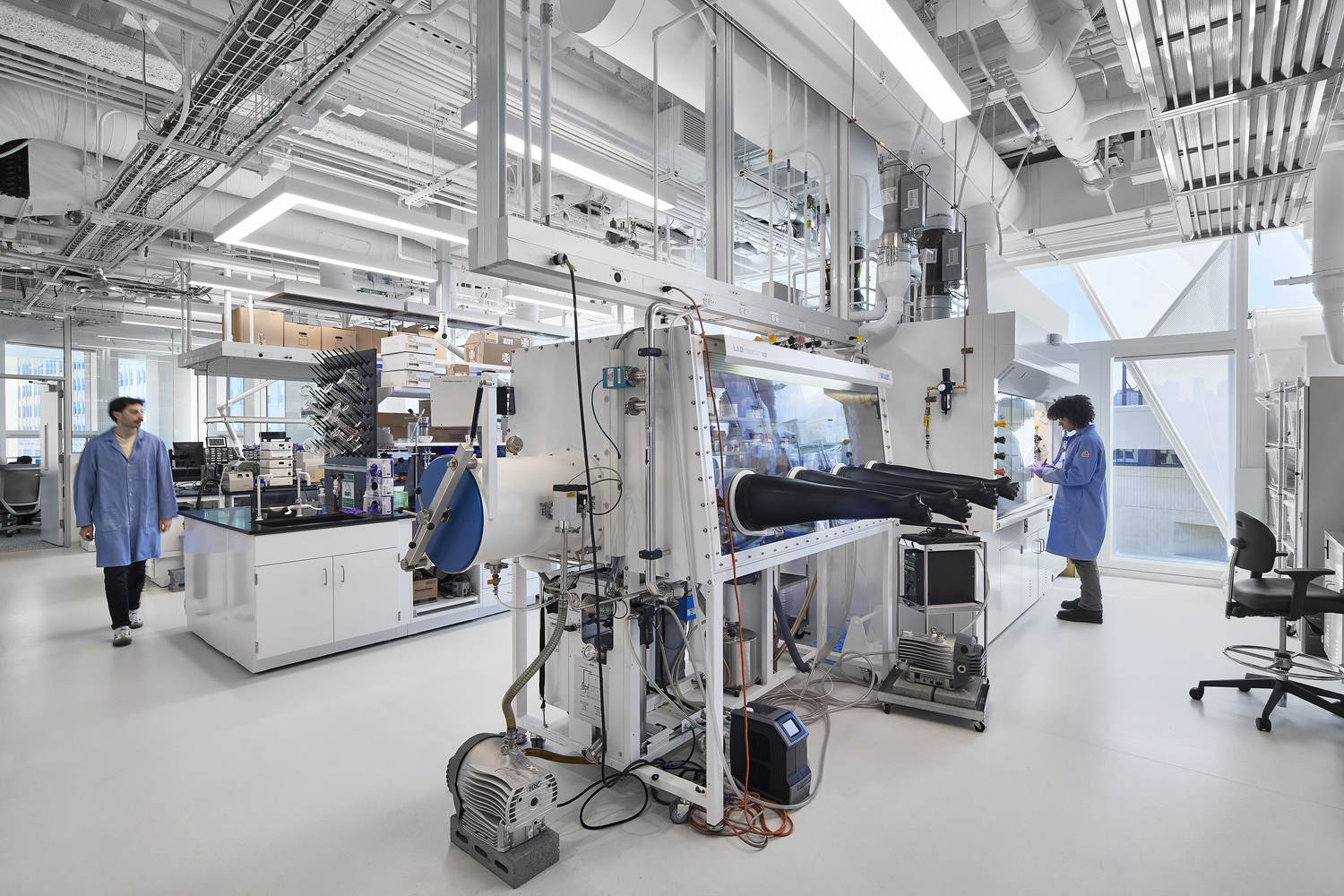
The project transforms an old parking lot on the eastern edge of campus into a pedestrian-friendly gateway, raising public awareness of the key role energy research plays in addressing climate change. The newly created courtyard space features bioretention swales and native planting. The building’s dynamic massing reflects the organizational layout of the laboratories, collaboration areas, and offices within. External sunshades made of hyperbolic ETFE foil not only provide a unique sculptural effect but also reduce cooling energy consumption while scattering daylight deep into the interior spaces. Research facilities inherently have high energy demands, and a facility dedicated to sustainable energy research must embody this mission in its design and operation. A key goal was to design laboratories and collaborative spaces that embody the principles of the work carried out inside the building.
该项目将校园东缘的一个旧停车场改造成了一个面向行人的门户,提升了公众对能源研究在应对气候变化中关键作用的认识。新建的庭院空间设有生物滞留洼地和本土植物。建筑物的动态构成反映了其内部实验室、协作区和办公空间的组织布局。由双曲面 ETFE 薄膜制成的外部遮阳板不仅具有独特的造型效果,还能减少制冷能耗,同时将日光深入散射到室内空间。科研设施本身能耗较高,而致力于可持续能源研究的设施更必须在设计和运营中体现这一使命。该项目的一个关键目标是设计出体现建筑物内所开展工作原则的实验室和协作空间。
© Brad Feinknopf
© Brad Feinknopf
© Brad Feinknopf
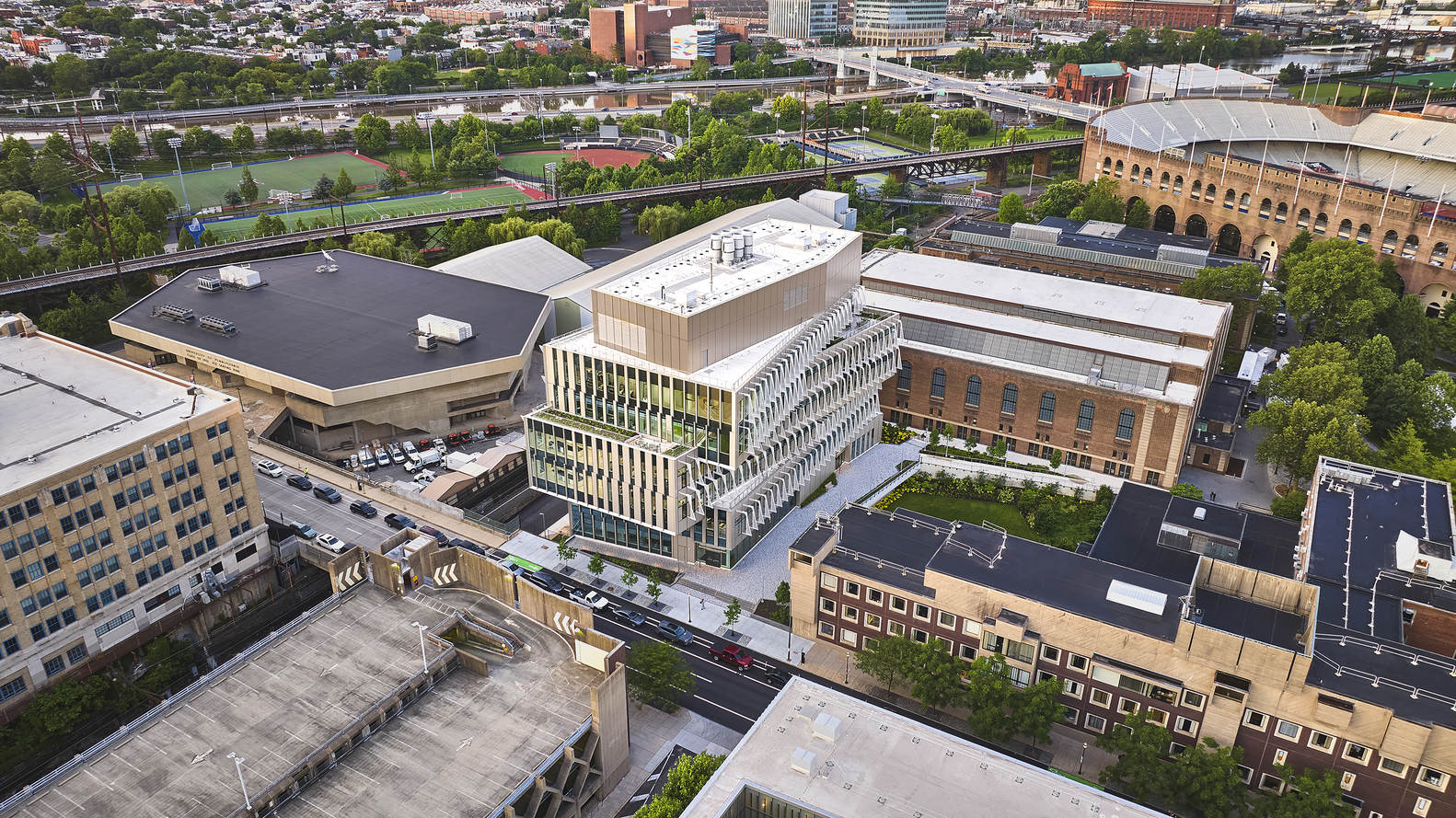
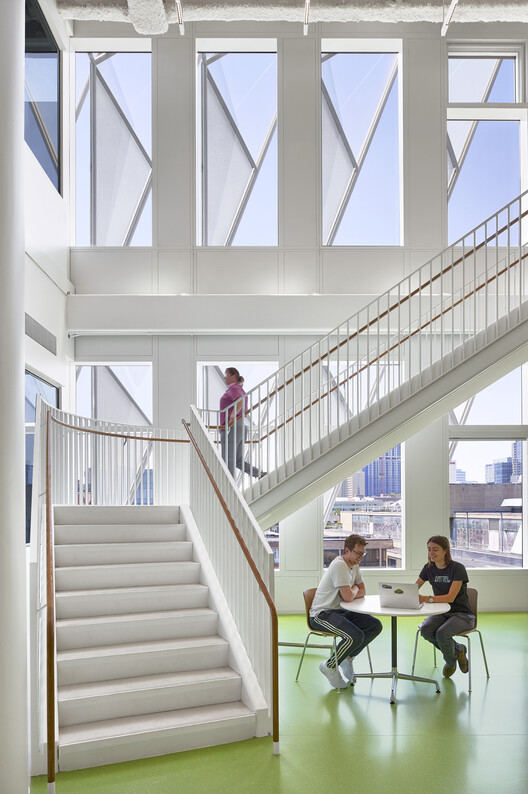
VLEST is intended to serve as a gateway to the campus, bridging the height difference between Walnut Street and 32nd Street. It introduces a plaza platform that creates a pedestrian connection between Walnut Street and the University of Pennsylvania’s historic basketball arena, The Palestra, while also connecting to Shoemaker Green. The building houses high-performance laboratories, office spaces, and collaboration areas, with double-height spaces promoting interaction. The labs are strategically placed along the east façade overlooking the Schuylkill River. The building incorporates a range of passive design strategies, such as operable windows for natural ventilation and efficient heat recovery systems to reduce energy consumption.
VLEST 旨在成为校园的门户,弥合核桃街(Walnut Street)与第 32 街(32nd Street)之间的高度差。它引入了一个广场平台,在核桃街与宾夕法尼亚大学历史悠久的篮球馆 —— 巴莱斯塔体育馆(Palestra)之间建立了步行连接,同时也与舒梅克绿地(Shoemaker Green)相连。该建筑包括高性能实验室、办公空间和协作区域,双层挑高空间促进了互动交流。实验室战略性地沿东立面布置,可俯瞰斯库尔基尔河(Schuylkill River)。该建筑采用了一系列被动式设计策略,如可开启窗户进行自然通风,以及高效热回收系统以减少能源消耗。
© Brad Feinknopf
Section
© Brad Feinknopf
Sustainability is central to the design, and the building has achieved LEED Platinum certification. The building is zoned into low-energy and high-energy areas to optimize HVAC systems and passive strategies. Additionally, radiant heating and cooling systems ensure occupant comfort, while an automated Aircuity system adjusts airflow based on environmental conditions. The building’s energy strategy contributes to the University of Pennsylvania’s goal of achieving carbon neutrality by 2042. Through innovative shading designed with advanced materials and a commitment to circularity, VLEST demonstrates how architecture can support sustainable energy research while fostering collaboration and environmental stewardship.
可持续性是该设计的核心,该建筑已获得 LEED 白金级认证。建筑被划分为低能耗区和高能耗区,以优化暖通空调系统和被动式策略。此外,辐射供暖和制冷系统确保了居住者的舒适度,而自动化的 Aircuity 系统则根据环境条件调节气流。该建筑的能源策略有助于宾夕法尼亚大学实现到 2042 年实现碳中和的目标。 VLEST 采用先进材料设计的创新遮阳板以及对循环性的承诺,展示了建筑如何能够支持可持续能源研究,同时促进协作和环境管理。
© Brad Feinknopf