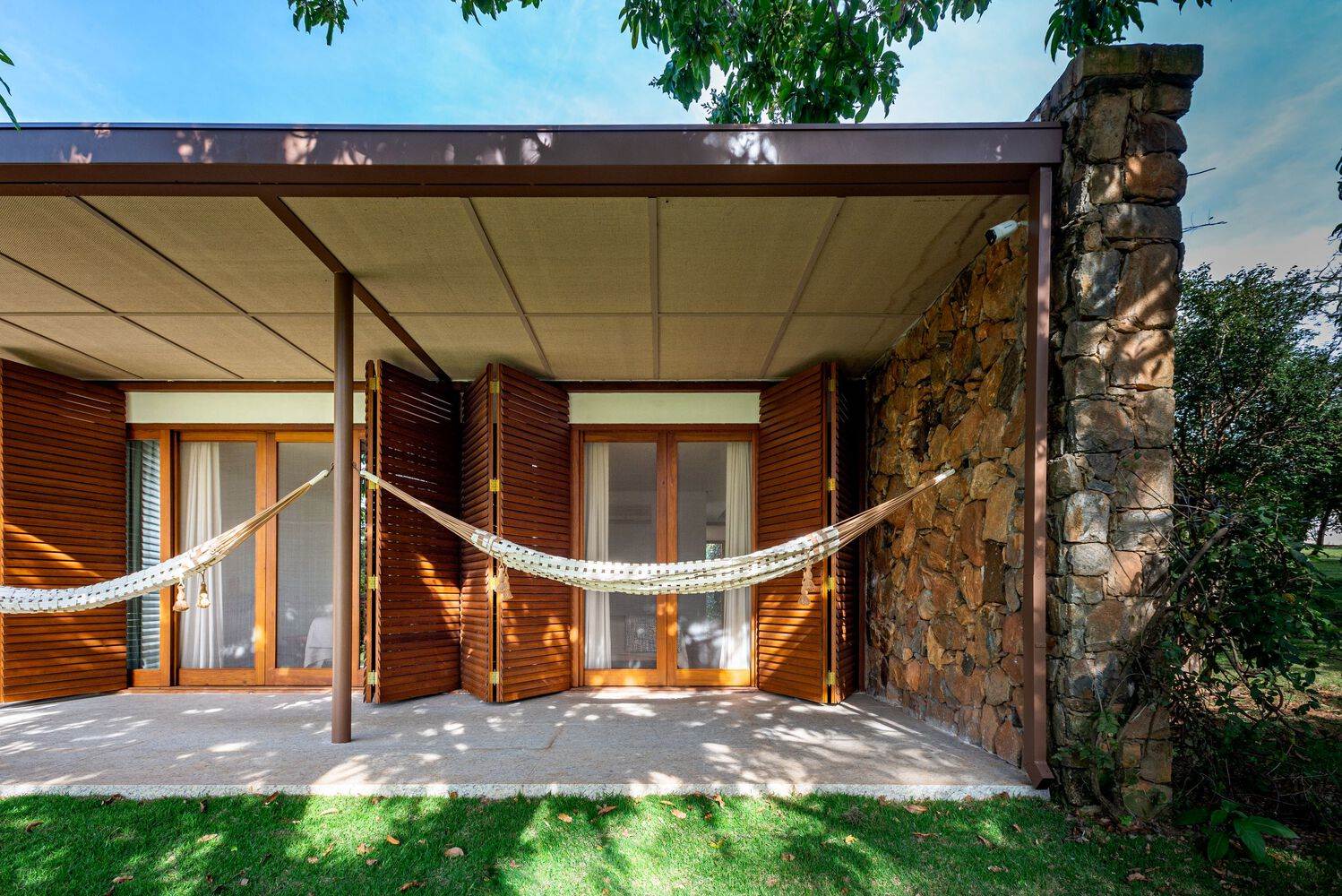
材质的对话与场域记忆的重塑:该项目通过精妙的材料运用,实现了新旧元素的和谐共存与场域精神的升华。在烧烤区,设计师巧妙地引入了红色烧焦水泥,这不仅赋予了空间现代感,更深层次地呼应了农场建筑的“古老”肌理和热烈气息,体现了对基地历史文脉的尊重与转译。同时,木材与编织稻草的结合,增添了温暖和触感,使改造后的空间既时尚又根植于地域文化,实现了功能更新与情感连接的双重目标。
空间流动性与视觉渗透的优化:对内部空间,尤其是社交区和宿舍区的改造,体现了对人流、光线和视觉体验的深度考量。通过拆除不必要的隔断门,以及在套房浴室引入砖石墙界定,设计师成功地增强了空间的连通性和流动性,同时利用天窗和新设计的元素引入了优质的自然采光和通风。社交区的重新布局,特别是引入垂直板条作为空间界定元素,既划分了功能,又保持了视觉的开放性,极大地提升了空间的宜居性和互动性。
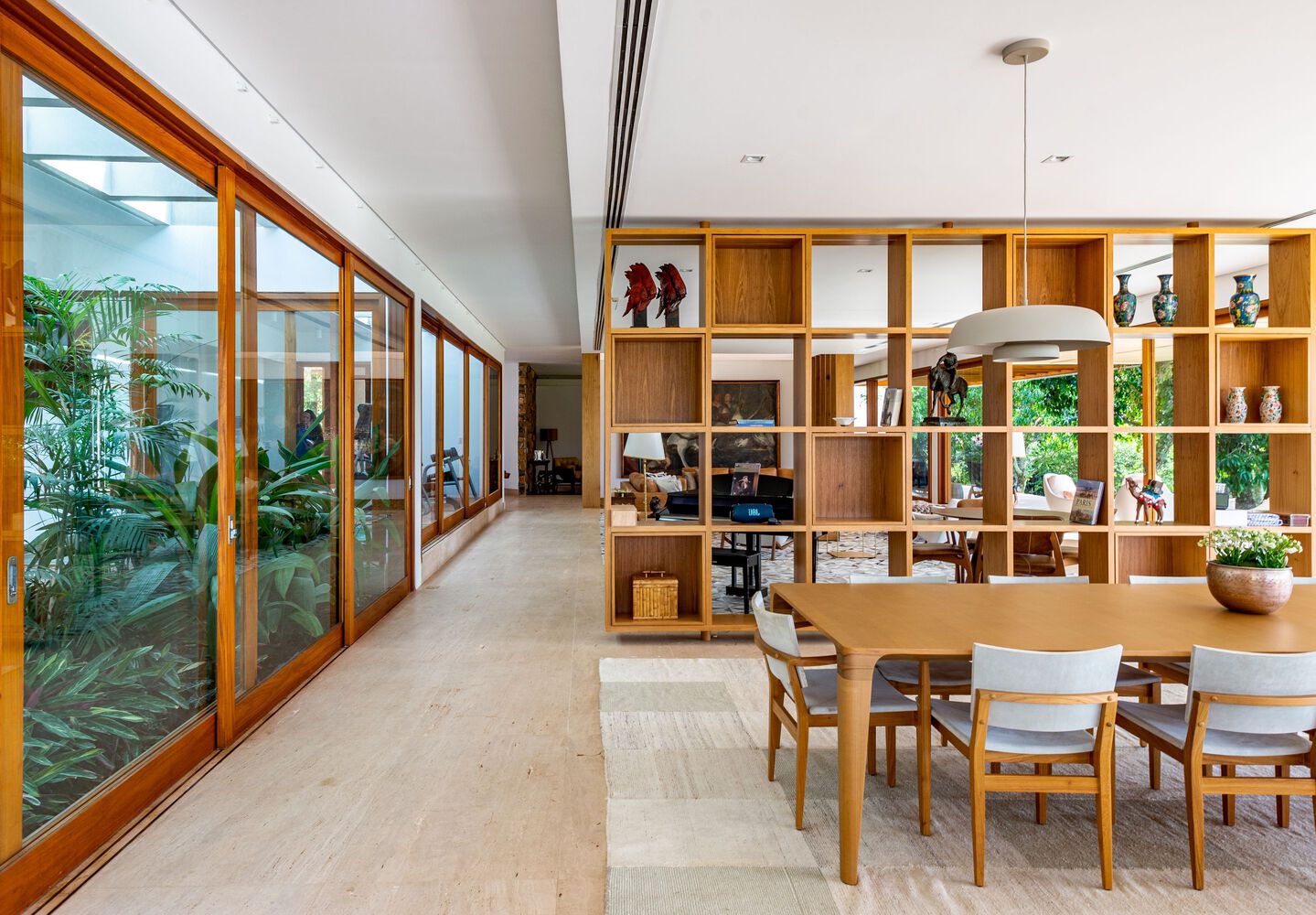
家具化设计的叙事性与可变性:项目最精妙之处在于将家具设计提升为空间叙事的关键手段。客厅巨大的木制书架不仅是储物单元,更是划分环境的核心构件,其“充满空隙”的设计策略,在划分功能的同时保持了空间的通透性。更进一步,书架中封闭凹槽的可移动性,赋予了使用者对空间构成和展示方式的**动态控制权**。这种“可变家具”的设计语言,使得改造不仅仅是静态的结构更新,而是一种激活使用者体验、支持多样化生活的场所干预。
This SPA, originally built in 2005, is located on a farm in the Campinas region and now requires some updating interventions.
这个叫做 SPA 的建造于 2005 年的原有建筑位于 Campinas 地区的一个农场内,现在需要进行一些更新干预措施。
© Bicubico
© Bicubico
Initially, the intention was only to renovate the barbecue area and the entrance hall. However, upon arrival at the site, we realized the building's enormous potential for a complete update, leading us to propose a renovation proposal that encompassed almost the entire building.
最初我们只想要对烧烤区和门厅做改造,但是当到达场地后,我们意识到这个建筑具有全面更新的巨大潜力,因此我们向客户提出了几乎包含整个建筑的更新改造方案。
© Bicubico
© Bicubico
© Bicubico
© Bicubico
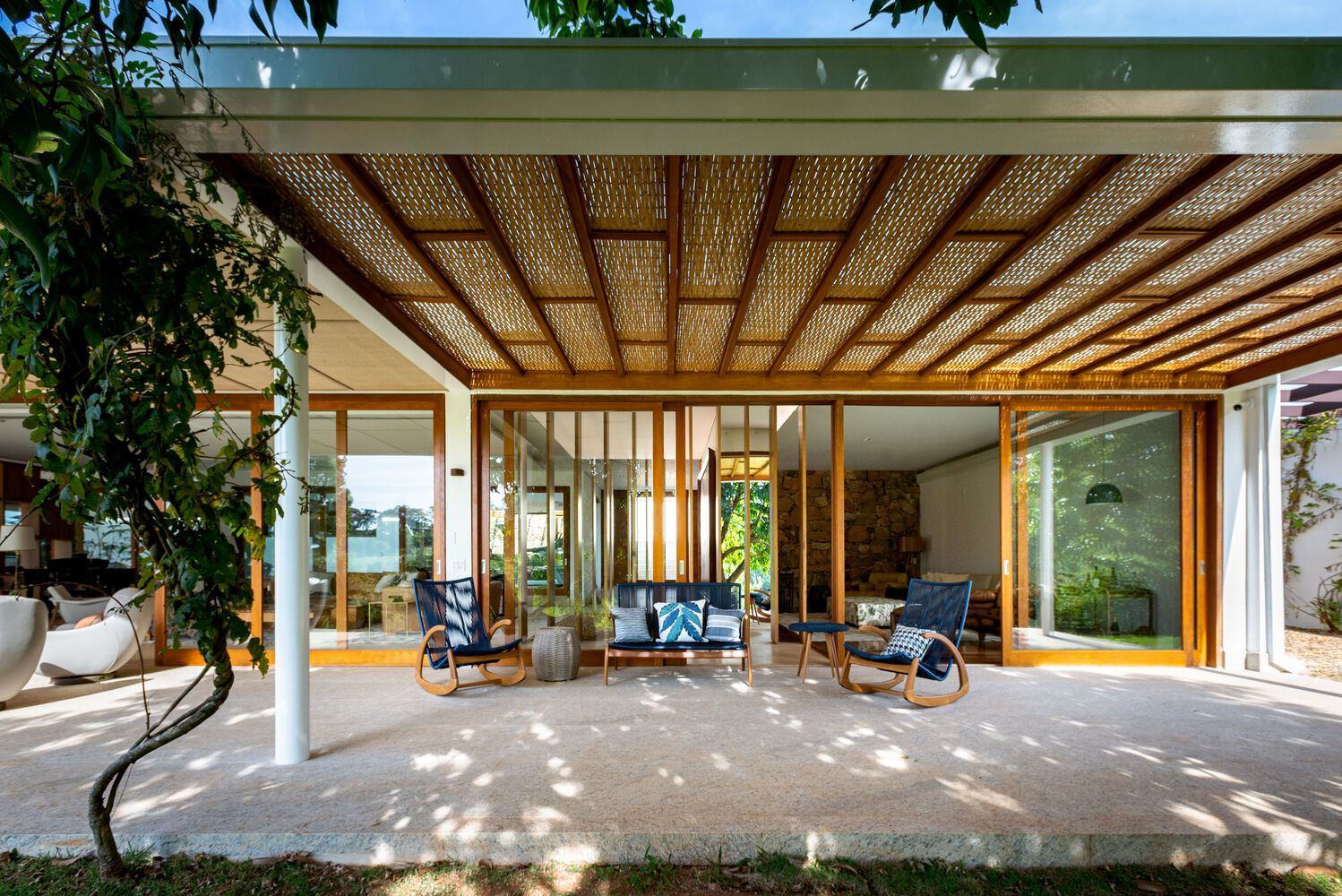
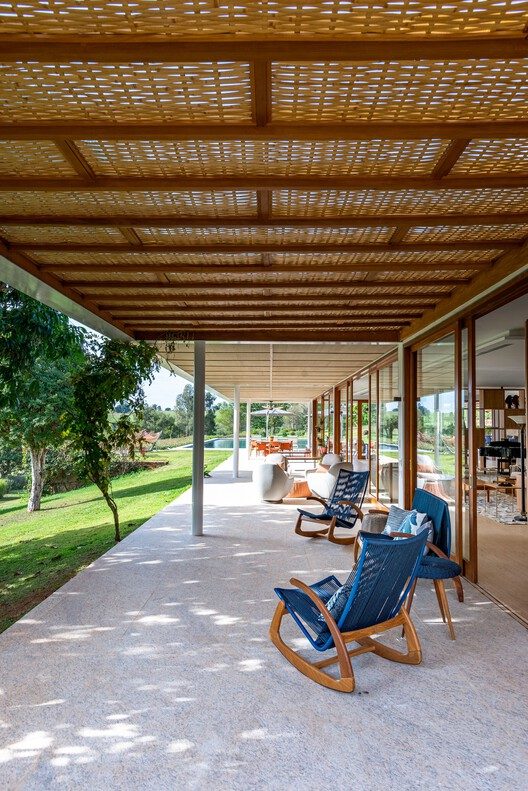
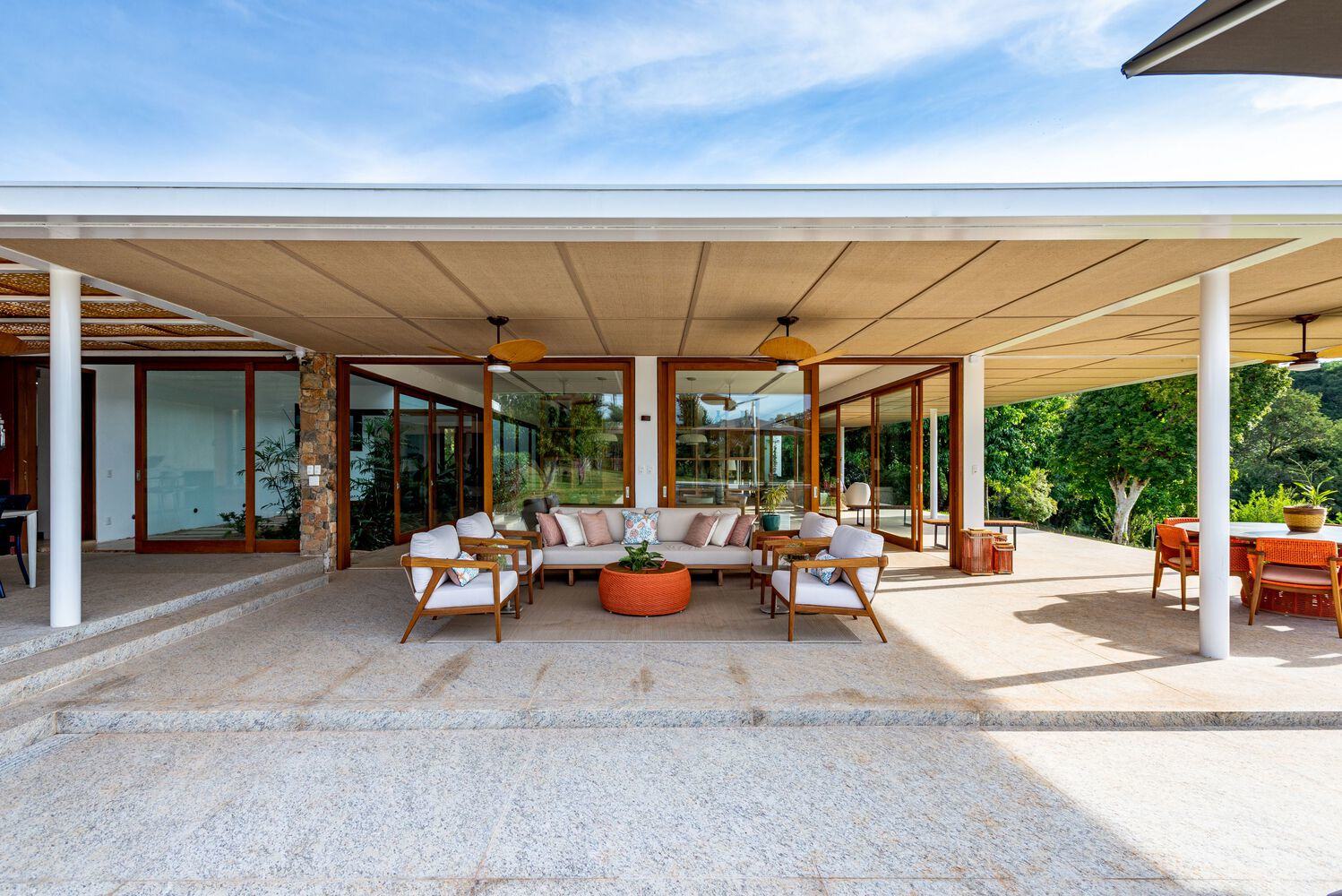
In the barbecue area (dining area), while aiming to create a modern environment, we evoked the memory of the old farmhouses by using red scorched cement on the walls and part of the lining. The entire floor was replaced, and woodwork was restored, alongside wood and woven straw lining. On the rest of the balcony, we changed the flooring and the lining, which is made of tightly and evenly woven straw, providing elegance and comfort.
在烧烤区(饮食区),我们在试图创造一个现代的环境的同时,通过在墙壁和部分内衬上使用红色烧焦的水泥,让人想起古老的农舍。除了木头和编织的稻草内衬外,整个地板被替换,木制品也被修复。在阳台的其余部分,我们改变了地板和内衬,后者由编织的稻草制成,编织紧密且均匀,同时优雅舒适。
© Bicubico
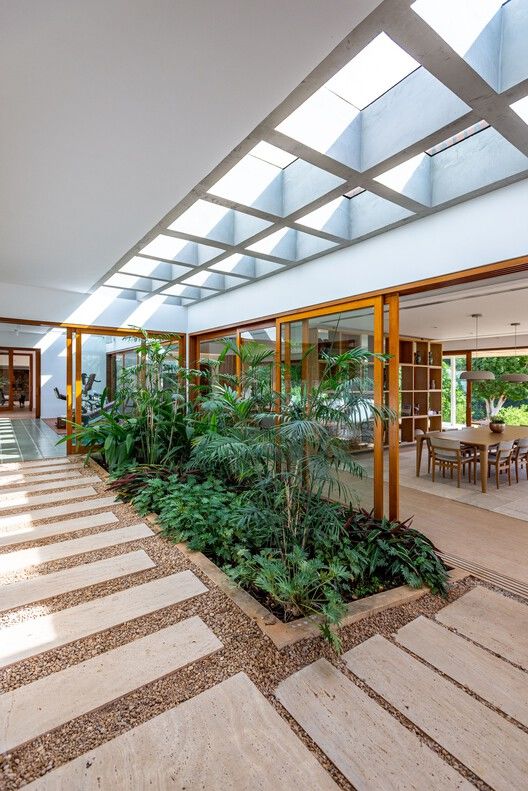
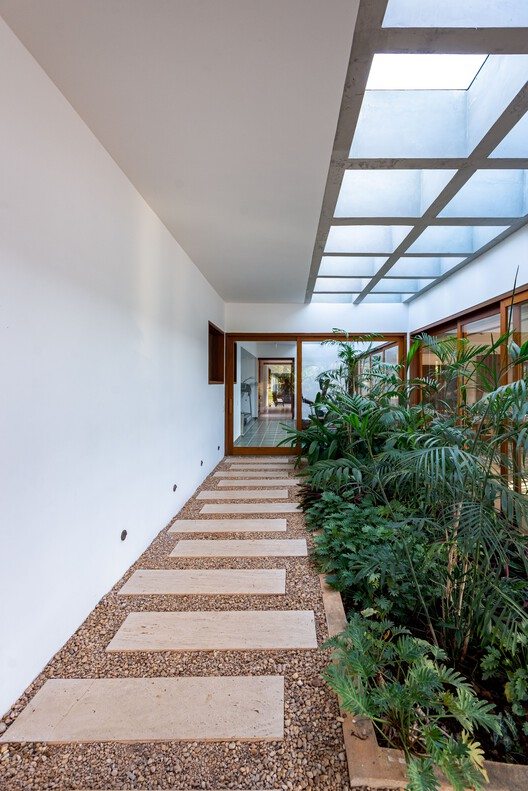
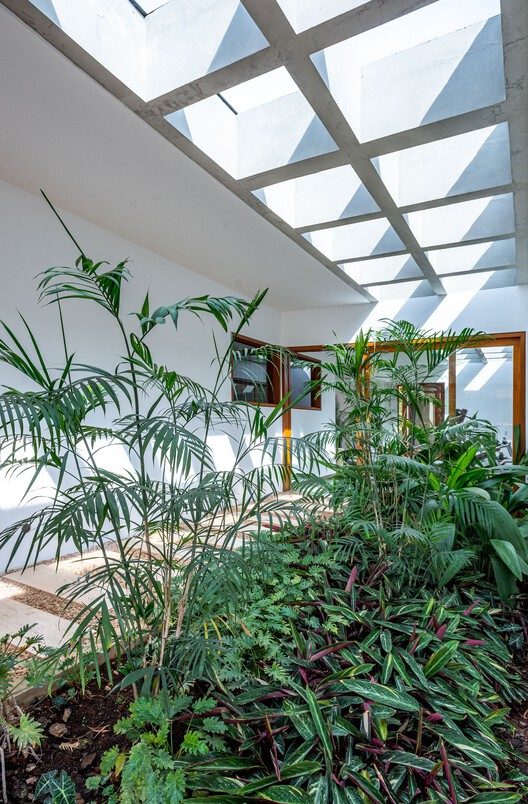
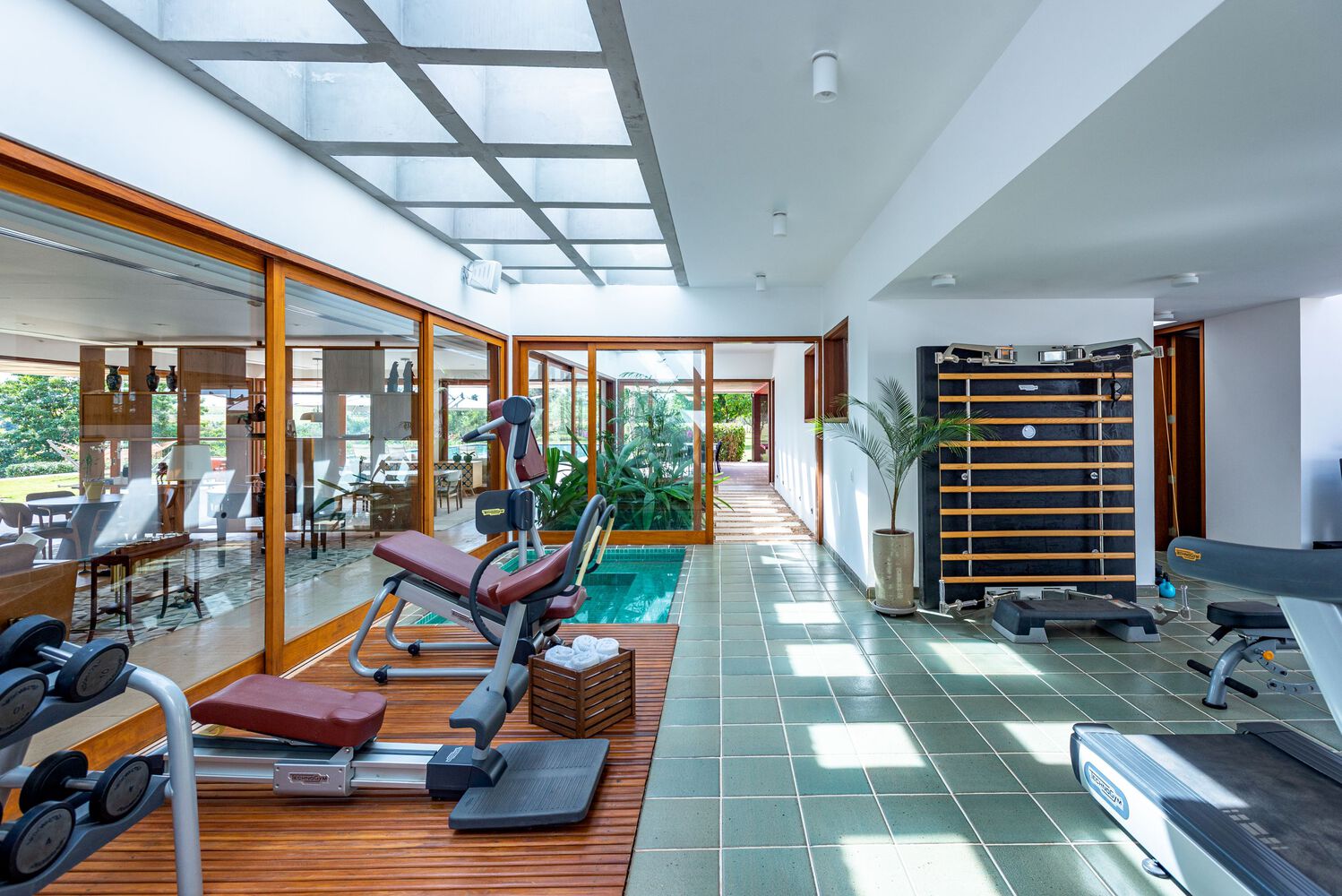
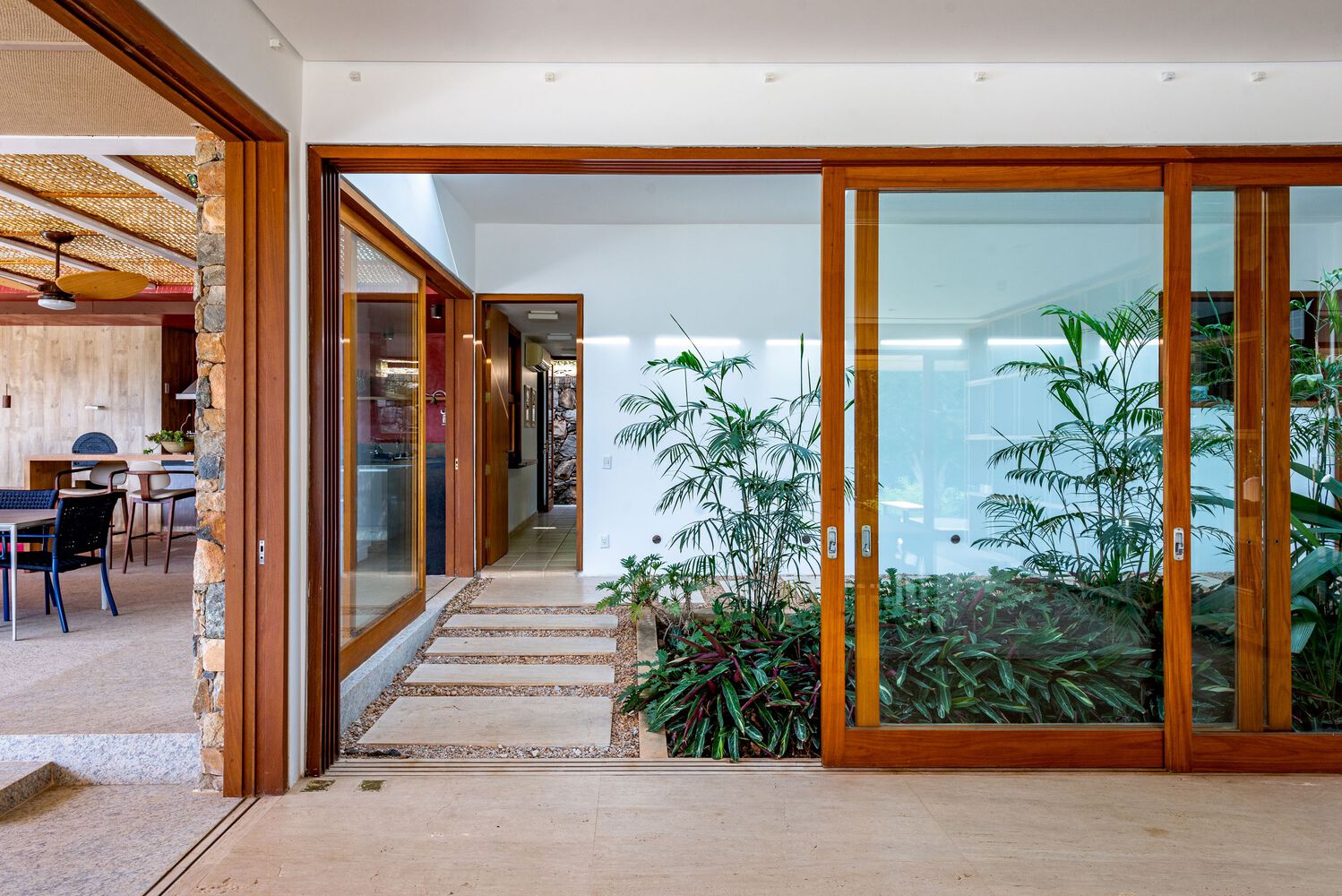
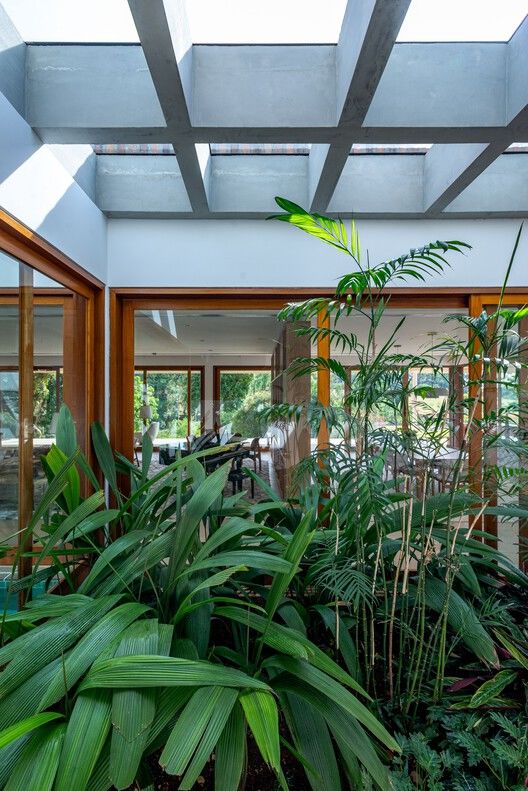
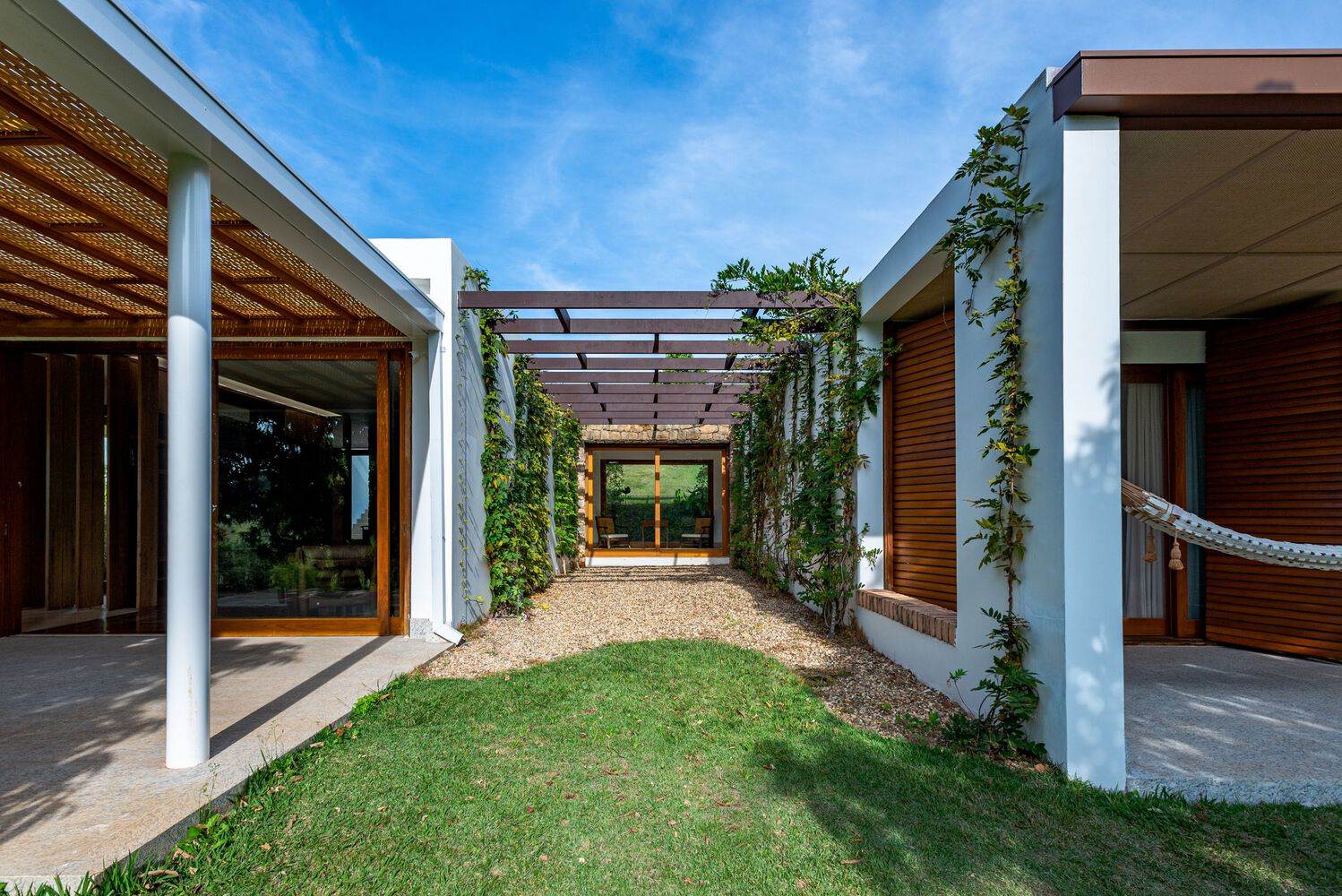
Internally, we made specific interventions in the dormitory area: we updated the flooring and redesigned the existing skylights in the corridors. We created two masonry walls to house artwork, which also allowed for a physical and visual extension of the en-suite bathrooms, creating a naturally lit and ventilated space.
在内部,我们对宿舍区进行了一些具体的改造:我们对地板进行了更新,并对走廊中现有的天窗进行了重新设计。我们创造了两面砖石墙来摆放艺术作品,同时也让套房的浴室中有了物理上和视觉上的扩展,创造了一个自然采光和通风的空间。
© Bicubico
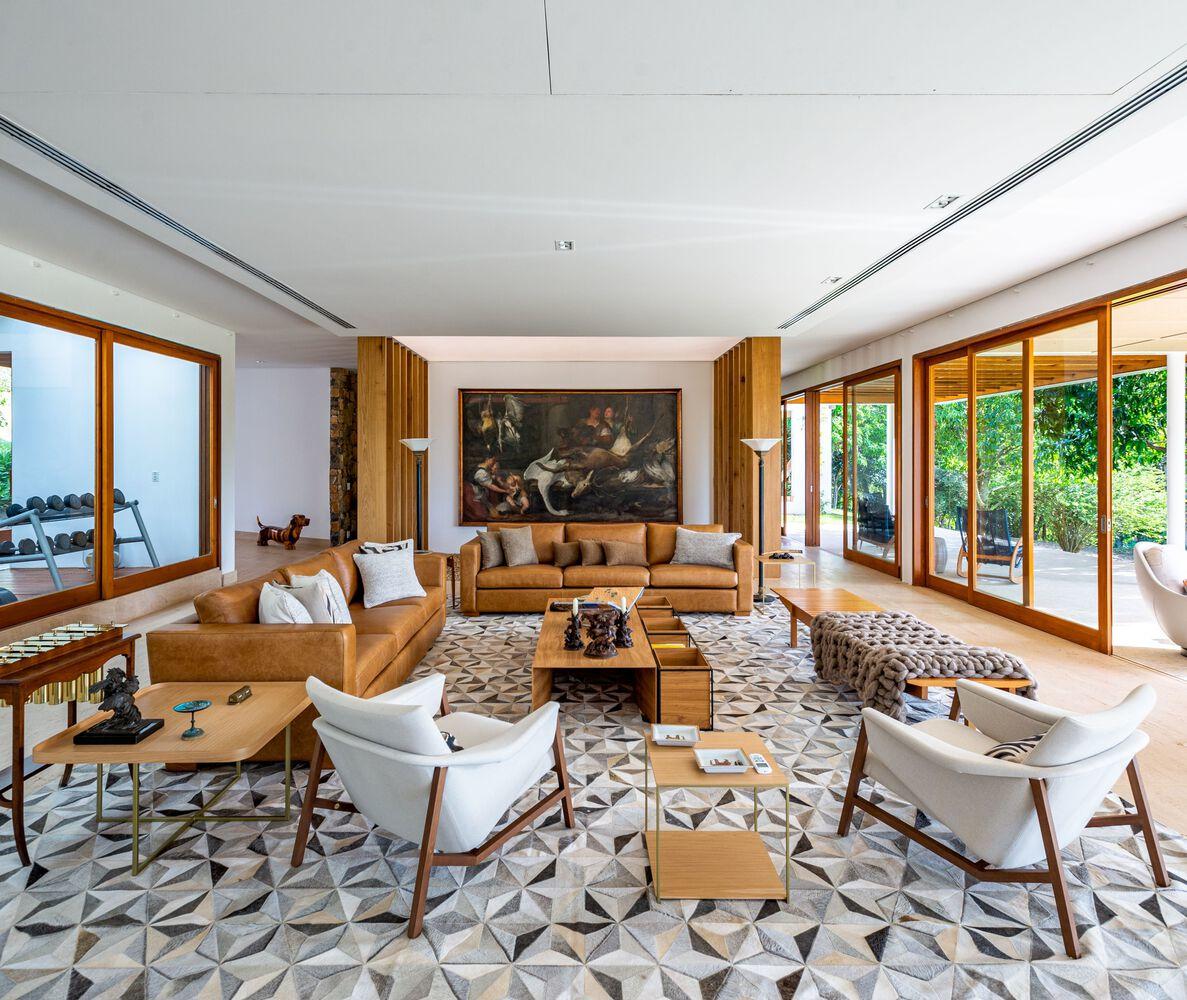
In the social area, the client found the small home theater and the living/dining room to be indifferent and unwelcoming. Therefore, our suggestion was to move the TV stand towards the hall, expanding the internal space, which led to the idea of vertical slats that delineate the hall’s space and can also serve as shelves for objects. At the same time, we removed the doors closing off the environment, connecting the home to the rest of the rooms.
在社交区,客户认为小的家庭影院和客厅及餐厅是冷漠且不受欢迎的。因此,我们的建议是将电视架向大厅移动,扩大内部空间,由此产生了垂直板条的想法,它划定了大厅的空间,并且能够作为架子放置物品。同时,我们拆除了封闭环境的门,将家庭与房间的其他部分联系起来。
© Bicubico
© Bicubico
© Bicubico
In the living room, the main highlight is the large wooden bookcase with voids, which divides the environment without losing the physical and visual integrity of the space. The closed niches are movable, allowing for changes in their composition and different combinations.
在客厅里,最大的亮点是充满空隙的木制大书架,它划分了环境,但也没有让空间失去空间的物理和视觉上的整体性。封闭的凹槽是可移动的,允许改变自身的构成,也能有不同的组合方式。
© Bicubico
All room furniture has been updated, and some items such as the bed, bedside tables in the bedrooms, the living room bookcase, and the barbecue area bar were designed by us.
所有房间的家具都已更新,有些物品如床、卧室的边柜、客厅的书柜和烧烤区的吧台都由我们设计。
Text description provided by the architect
文字描述由建筑师提供
Translator: Xu Peiyao
译者:许佩瑶
© Bicubico